Back Office – Food Cost Management – Food Cost Reporting
Empower your operations with precise control over your food costs. Our comprehensive Food Cost Management Reporting offers unparalleled insights and efficiencies, allowing you to streamline your operations and boost your bottom line.
Why Back Office
Real-Time Food Cost Reporting
With our food cost reporting, you can eliminate waste, price confidently, and improve margins.
Reduce waste and avoid overstocking by keeping precise track of inventory levels, leading to significant cost savings.
Maximize Menu Profitability
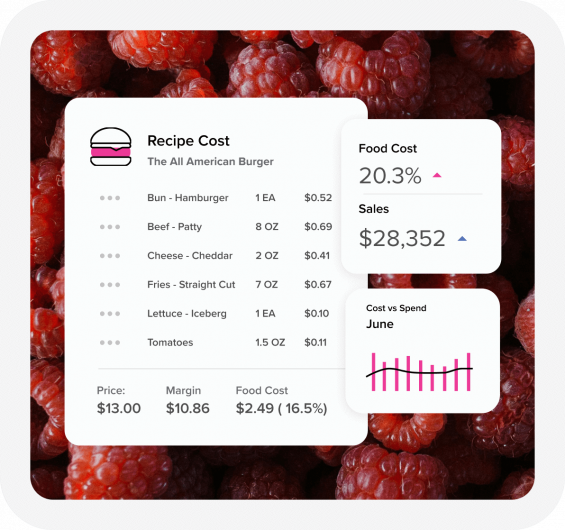
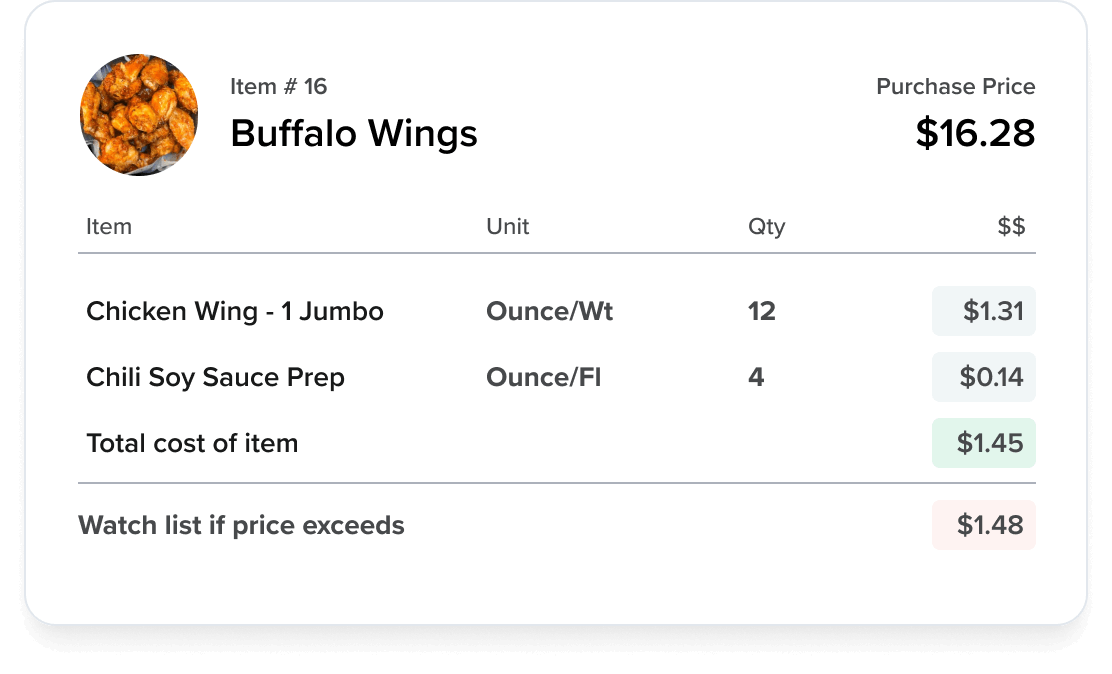
Price your dishes with confidence by understanding the true cost of every ingredient, ensuring each menu item is profitable.
Make Informed Decisions
Gain actionable insights from your purchasing data, enabling smarter buying decisions that optimizespend and improve margins.
Save Time and Effort
Simplify the complexity of managing multiple locations, ensuring consistency and efficiency across your entire operation.
Additional features
Use purchasing data to uncover opportunities
Recipe Costing Reports
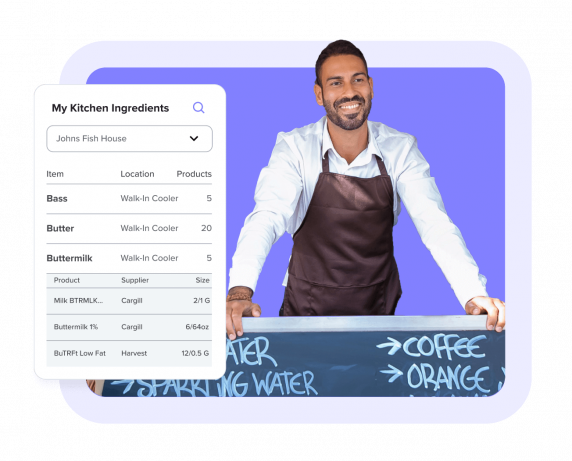
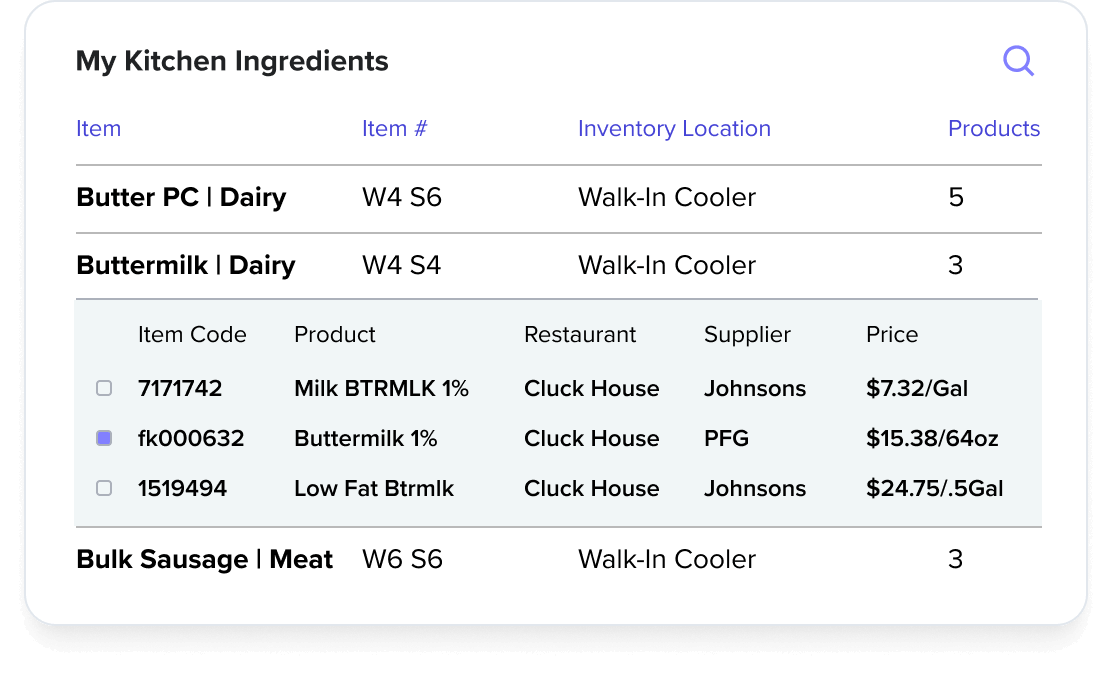
Our system combines kitchen and bar ingredient views, tracks weekly COGS effortlessly, and provides detailed ingredient insights. Stay organized with product overviews, ingredient drawers, and audit trails for ingredient changes.
Multi-Unit Reporting
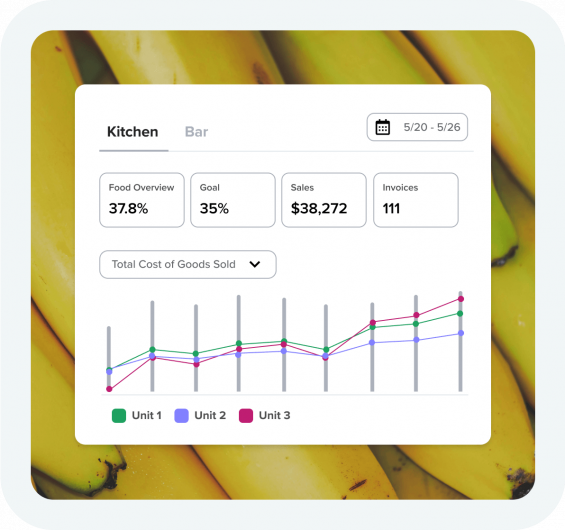
Access all your data in one place, compare metrics across locations, and ensure consistency by pushing standardized recipes to all units. Streamline your workflow, save time, and boost profitability across your entire operation.
More features to enhance visibility into food costs
Gain a deeper understanding of spending and optimize your food costs for better financial control
Inventory Management Reports
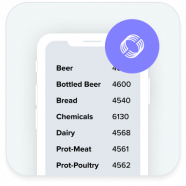
Our reports offer intuitive organization options, automatic price updates, and detailed usage trends. With mobile access and customizable filters, managing your inventory has never been easier.
Purchasing Analytics
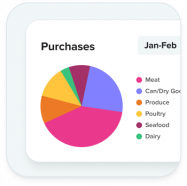
Dive deep into your purchasing data to uncover savings opportunities and optimize your procurement process. Visualize COGS trends, identify product variances, and ensure transparency with detailed reports and customizable filters.
It makes chef’s lives easier and gives us more hours to spend in the kitchen. All the reporting I could ever ask for is at my fingertips.
I wish I had known about Back Office years ago. It has taken our inventory time from three full days to a few hours!
They’re bringing us to the next level as a supply chain team.
Food Cost Management Features
Other food cost management features you might be interested in
Recipe Costing
Master your menu and boost your bottom line with Back Office recipe costing.
Struggling to get a clear picture of your food costs? Our food cost reporting tools provide in-depth analysis and real-time insights to help you manage spending and boost profitability. Experience how detailed reporting can sharpen your financial strategy. Book your demo today to learn more!
Frequently Asked Questions
Everything you need to know about our food cost reporting solution!
What is food cost reporting in restaurant management?
Food cost reporting combines purchasing, inventory, recipe, and sales data to calculate COGS, food cost percentages, and track overall profitability.
Why is food cost reporting important for controlling restaurant expenses?
Food cost reporting shows how purchasing and usage impact expenses. It exposes where money is being lost through waste, pricing gaps, or inconsistent ordering.
How can food cost reporting help improve restaurant profit margins?
Food cost reporting highlights cost inefficiencies and margin gaps so operators can adjust pricing, portions, and purchasing decisions to improve profitability.
How often should restaurants review food cost reports to maintain profitability?
Restaurants should review food cost reports weekly to maintain consistent margins. Regular reviews help catch cost spikes and usage issues before they impact performance.
How can multi-location restaurants standardize food cost reporting processes?
Multi-location restaurants can standardize food cost reporting by using centralized systems that unify purchasing, recipe, and inventory data, ensuring all locations are measured through the same performance lens.
How can automation improve accuracy in food cost reporting?
Automation uses invoice and purchasing data to generate food cost reports without manual entry. This ensures COGS and food cost calculations reflect current costs and real usage.