Commodity forecasting highlights from CommodityONE
This snapshot report is released every week. To learn more about the FULL report, click here.
Designed to support purchasing and forecasting teams in managing price risks, CommodityONE provides powerful tools like commodity forecasting and item-specific food cost modeling to help you plan smarter and maximize profitability. Learn how you can receive even more in-depth insights delivered daily from CommodityONE to elevate your strategy.
Chicken harvest volumes are steady, with whole birds softening, boneless breasts climbing slightly, and wings trending up month-over-month though still well below last year’s highs. Eggs are also down both week-over-week and year-over-year.
Outlook: With tariffs creating uncertainty in exports, chicken prices may ease further. Back Office helps operators track these shifts in real time, so you can adjust menus or costing models quickly to protect margins.
Beef
Cattle futures pulled back, but boxed beef prices gained on strong holiday demand for tenderloins, ribeyes, and other high-value cuts. End cuts like chucks and rounds also moved higher, while ground beef and trim were mixed.
Outlook: Premium cuts are expected to strengthen into Labor Day and the holidays. Back Office makes it easy to update recipe costs and forecast the impact of rising beef prices on your menu profitability.
Pork
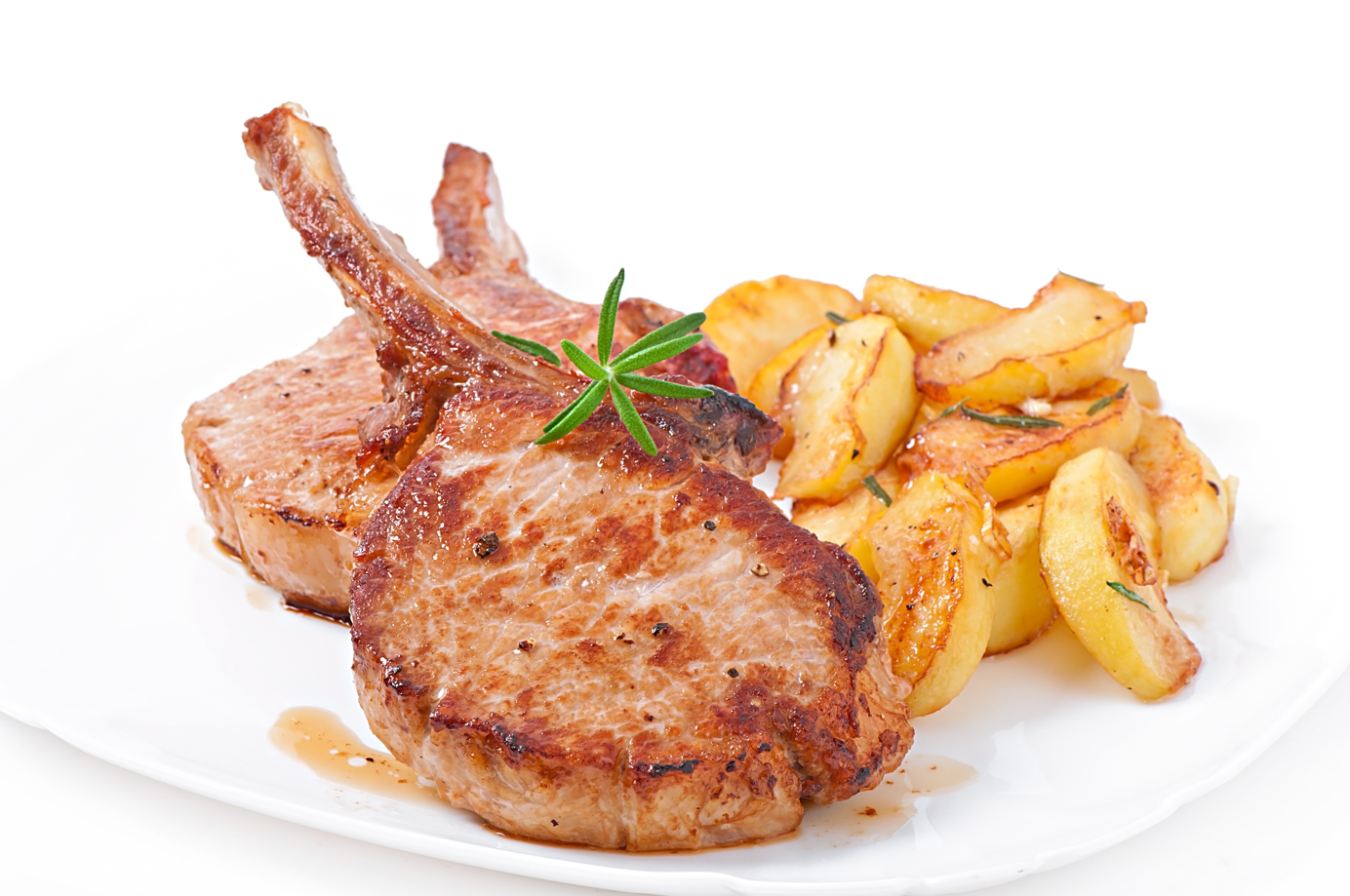
Pork markets were mixed: butts and ribs firmed on export demand, tenderloins inched higher, while loins and hams moved lower. Trims were steady to softer, signaling some balance.
Outlook: Global trade continues to create volatility, with hams likely to trend lower. Back Office gives operators visibility into shifting pork costs and helps ensure vendor invoices reflect the correct prices.
Seafood
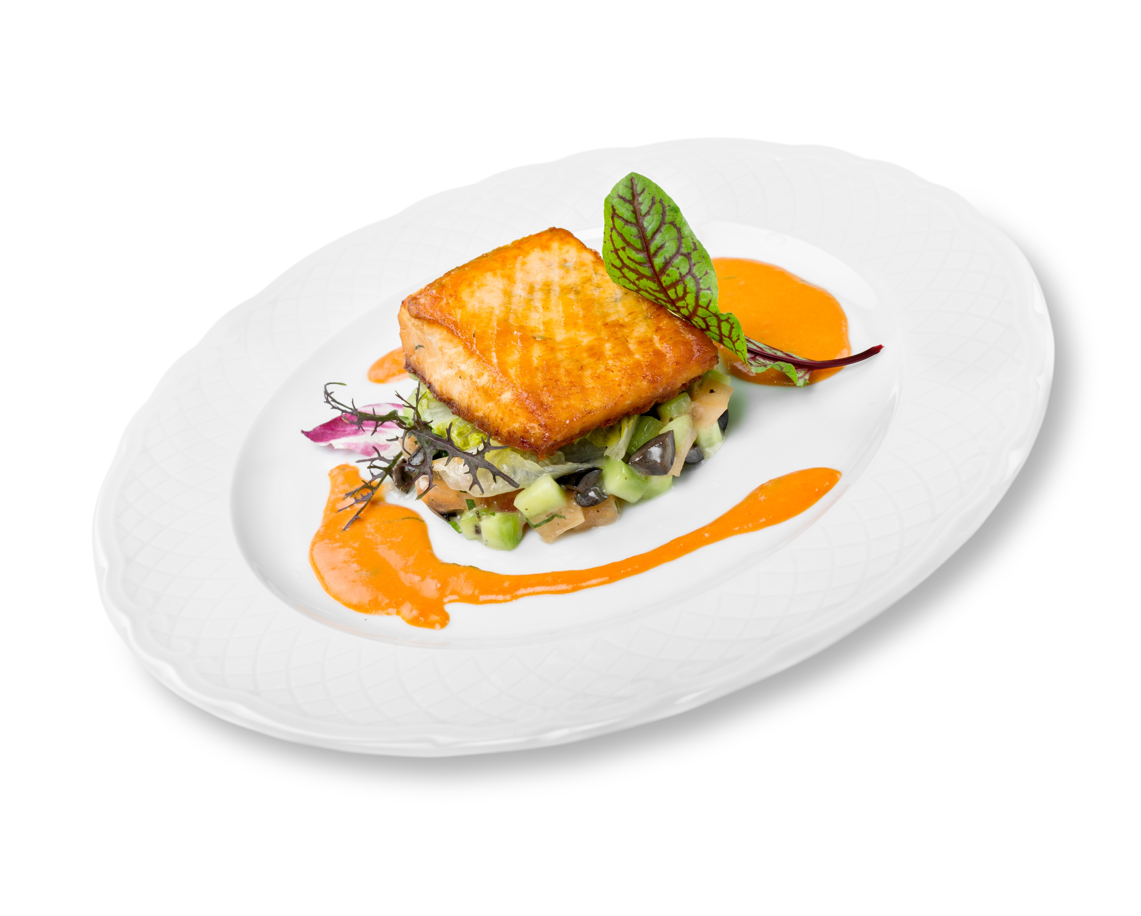
Atlantic salmon prices dropped nearly 20% over three months, hitting a four-year low as imports stayed elevated. This provides temporary relief for operators using salmon-heavy menus.
Outlook: Prices may not stabilize until late fall, but current lows are an opportunity to capture savings. Back Office helps ensure you’re paying negotiated prices and that your recipe costs reflect today’s market, not last quarter’s.
Produce
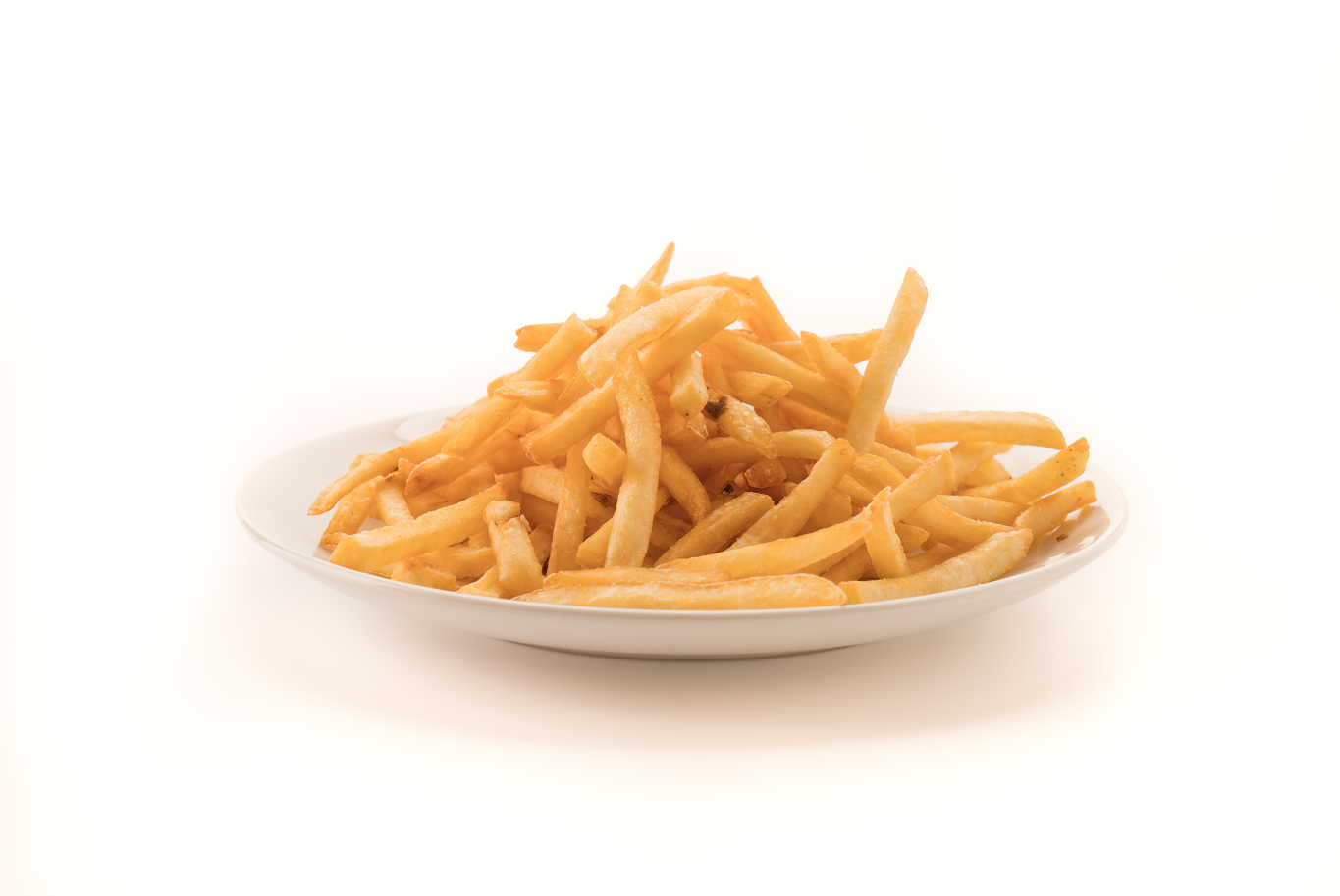
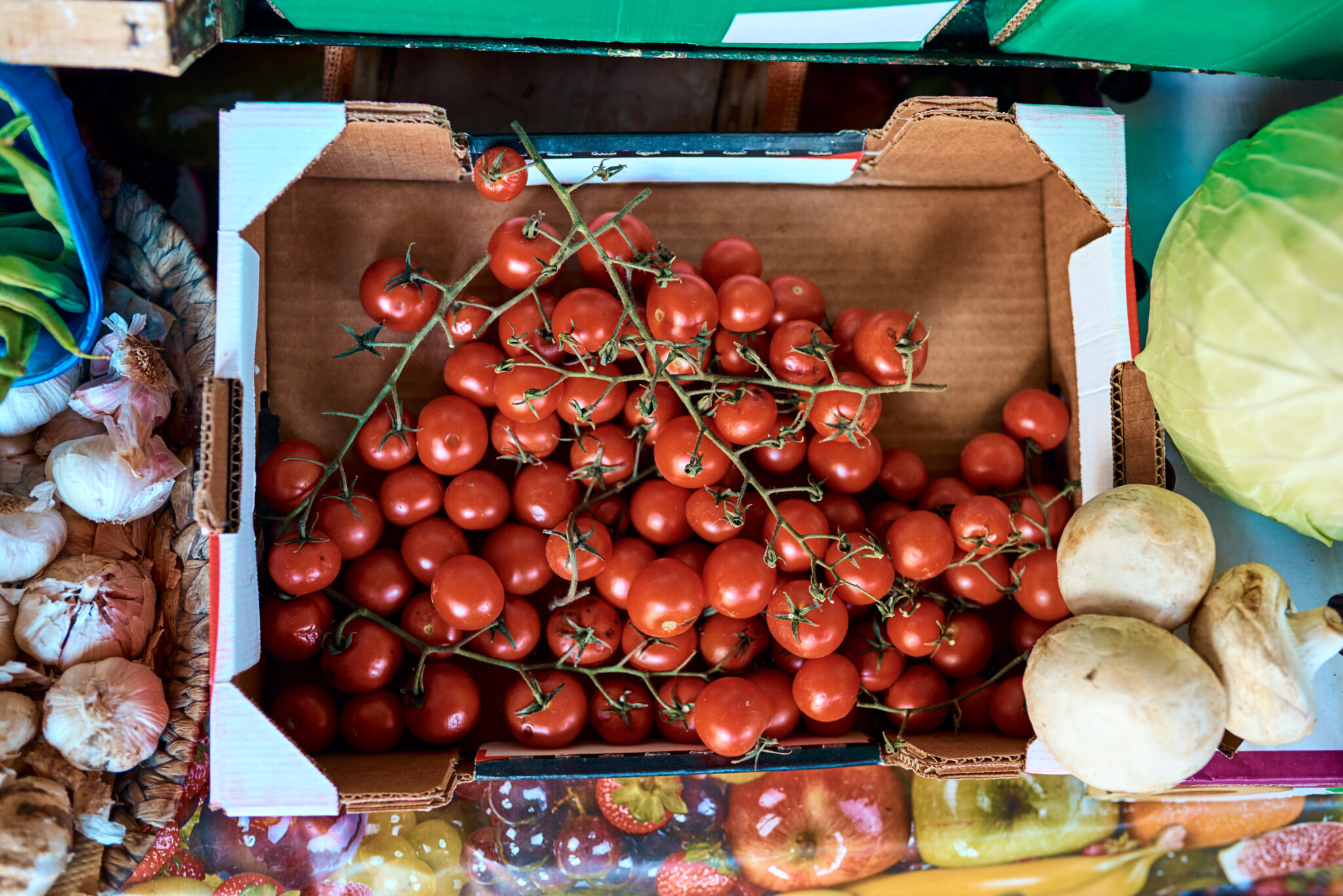
Produce pricing was mostly stable this week, with lettuce and roma tomatoes flat but expected to rise as we move into fall. Potatoes stayed quiet, signaling the pre-harvest rally is already behind us.
Outlook: Seasonal produce volatility is coming, especially in September–October. Back Office helps operators plan ahead by tying produce price changes directly into inventory and purchasing reports.
Dairy
Cheese prices split directions, with blocks edging lower and barrels slightly higher, while butter posted the largest drop due to soft foodservice demand. Milk supplies remain seasonally light, limiting flexibility for cheese producers.
Outlook: Cheese may stabilize on retail demand, but butter prices are likely to remain pressured until holiday demand ramps up. Back Office gives operators the ability to see how dairy fluctuations affect food cost percentages and make smarter buying decisions.
Grains
Corn markets turned sharply lower after USDA boosted yield projections and acreage, while soybeans tightened on a more bullish balance sheet. This divergence is driving volatility across feed and oil markets.
Outlook: Corn oversupply should help keep some ingredient costs in check, while soybean volatility could raise fryer oil prices. Back Office gives operators visibility into how these commodity swings flow through to your invoices and GL reports.
Want the full report in your inbox everyday?
Submit the short form to learn how to get the FULL CommodityONE report delivered DAILY to your inbox.
CommodityONE offers a diversity in format and provides definitive content that presents the trends and forecasts that align with what’s happening in the industry. Sign up for CommodityONE today to unlock the most in-depth foodservice commodities report on the market.
Expert insights curated weekly
Powered by CommodityONE
Share this post
Related posts
Explore our latest insights for optimizing your restaurant operations.
Margins are tight. Labor is unpredictable. Food costs fluctuate without warning. In this environment, restaurant efficiency is a business necessity. The restaurants that pull ahead don’t rely on instinct alone. ...
Every restaurant owner imagines running the kind of place you see in commercials—the manager greets regulars by name, the team members are always smiling, and the food is always beautifully ...
Restaurant technology has never been more powerful—or more confusing. Between POS upgrades, inventory platforms, labor tools, and analytics dashboards, operators are often swimming in software, yet still struggling with visibility, ...