Commodity forecasting highlights from CommodityONE
This snapshot report is released every week. To learn more about the FULL report, click here.
Designed to support purchasing and forecasting teams in managing price risks, CommodityONE provides powerful tools like commodity forecasting and item-specific food cost modeling to help you plan smarter and maximize profitability. Learn how you can receive even more in-depth insights delivered daily from CommodityONE to elevate your strategy.
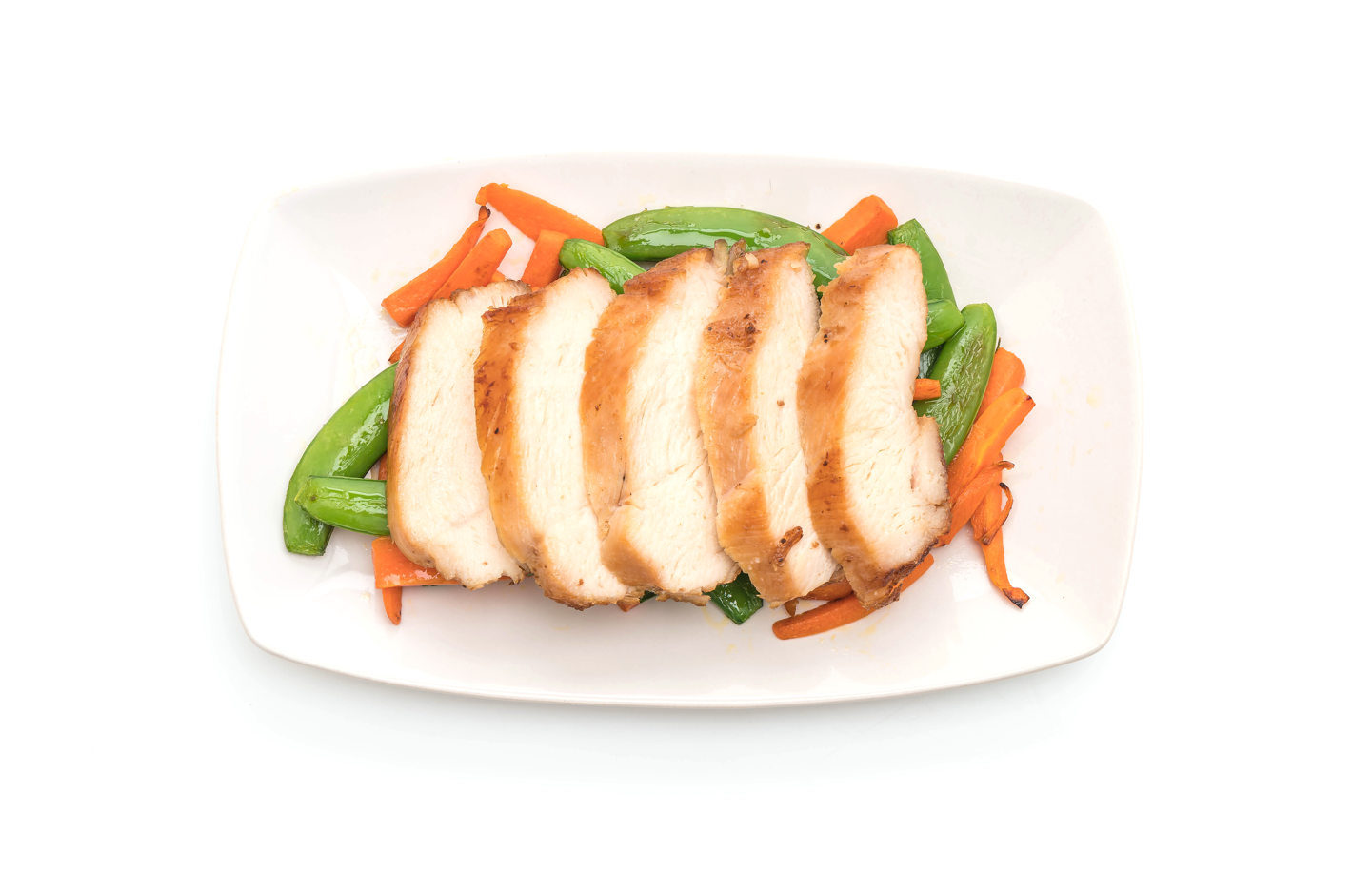
Poultry markets were mostly steady last week, supported by strong production levels and improving supply conditions. Most chicken cuts remain significantly lower year over year, particularly wings and breast meat, helping reduce food cost pressure compared to earlier in 2025. Egg prices declined week over week as flock recovery continues following late-2024 HPAI disruptions, though month-over-month pricing remains elevated.
Outlook: Stable pricing supports more predictable food cost calculations and cleaner variance tracking. This makes it easier for accounting teams to isolate true performance changes versus market noise.
Beef
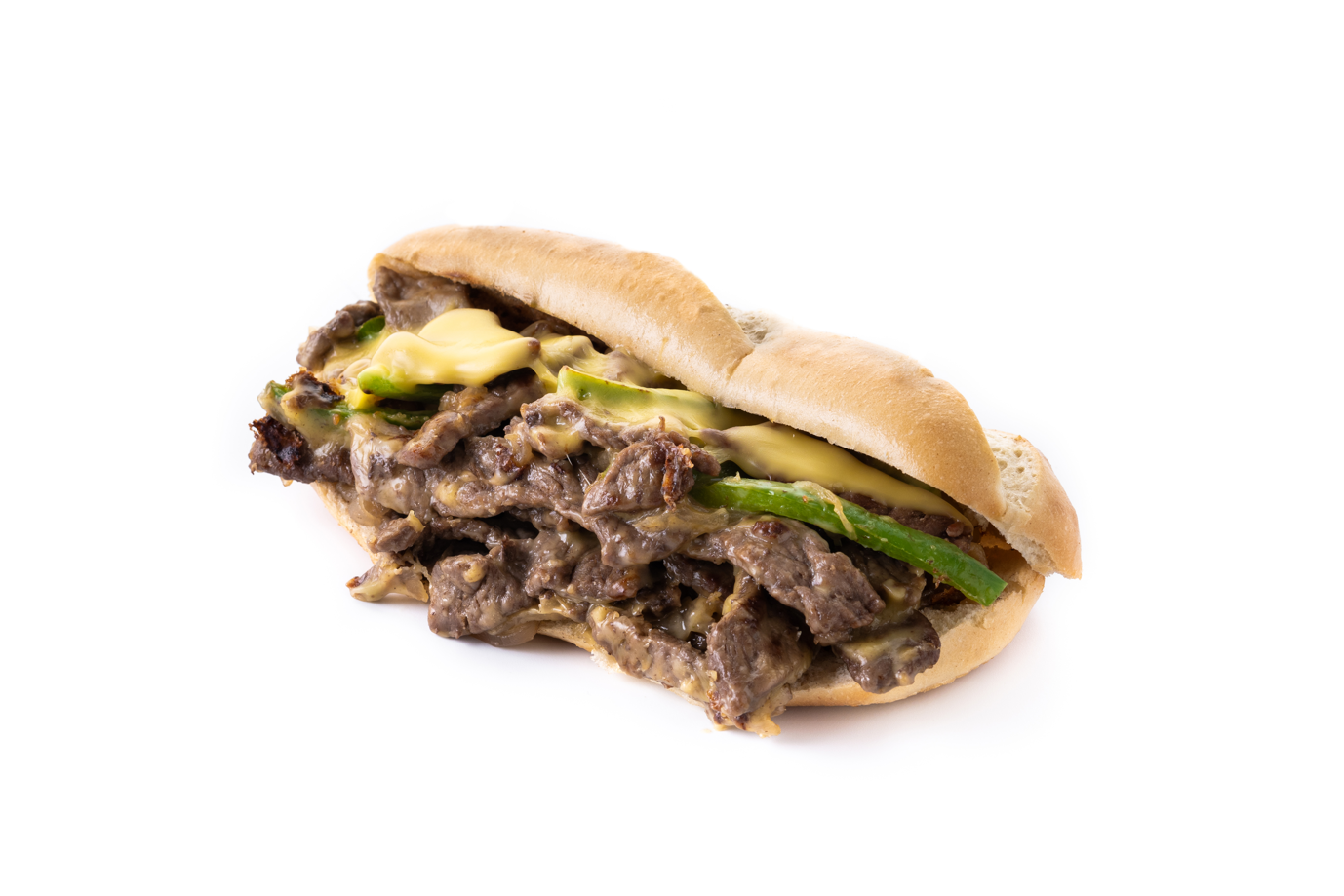
Cattle futures moved higher last week, while boxed beef prices declined due to higher harvest levels. Premium cuts were mixed, while end cuts such as chucks and rounds remained relatively steady. Ground beef prices were flat to slightly lower, supporting consistency for high-volume menu items.
Outlook: Range-bound pricing reduces unexpected cost swings. This helps back-office teams maintain tighter food cost targets and more accurate margin reporting.
Pork
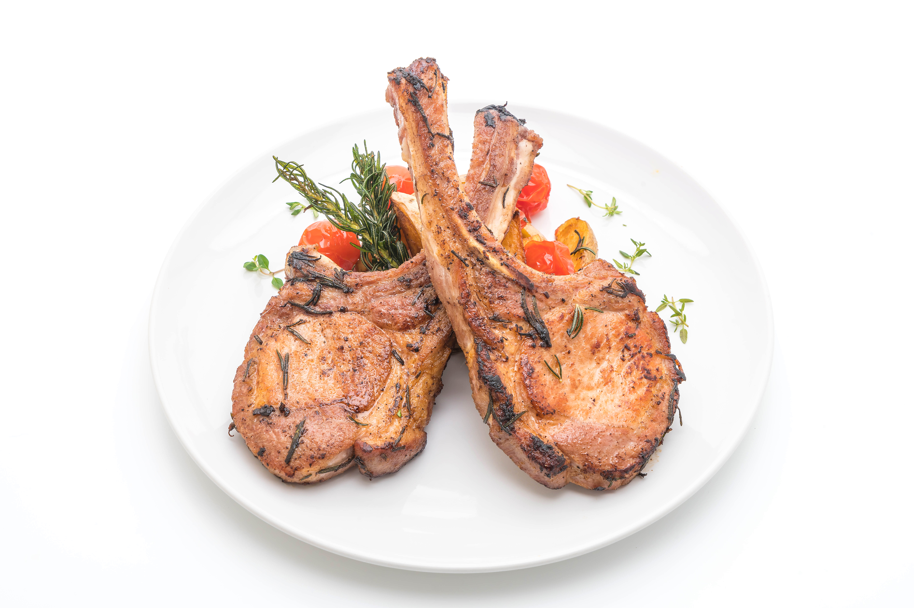
Pork markets strengthened across all primals, driven by strong export demand and seasonal inventory building. Hams saw the largest gains as early Easter production ramps up, while bellies, ribs, and butts also moved higher. Trim pricing was mixed.
Outlook: Firm pricing increases the importance of closely tracking usage and yield. Accurate cost allocation will be key as prices move higher.
Seafood
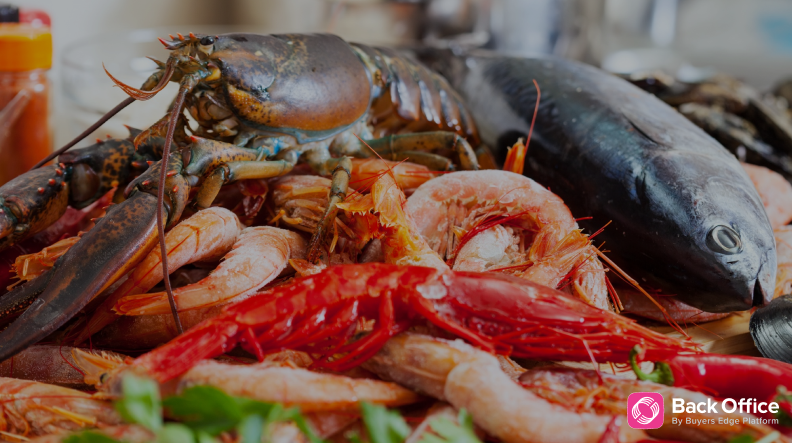
Frozen snow crab prices continued to decline based on newly released import data, moving further away from early-2025 highs. After a volatile year, pricing is gradually returning to more predictable seasonal patterns.
Outlook: Improving price predictability supports more accurate menu costing and variance analysis. This helps reduce surprises in seafood margins.
Produce
Roma tomato prices fell sharply last week, reaching an eight-week low after peaking in late November. Lettuce pricing continued its steady, predictable decline after earlier seasonal volatility, offering more consistency for produce-heavy menus.
Outlook: As prices settle, back-office teams can more easily identify true waste, over-ordering, and cost variance. This creates cleaner insights into produce profitability.
Dairy
Dairy markets were mixed, with cheese and fluid milk prices edging lower while butter moved slightly higher. Retail butter demand remains strong as consumers take advantage of lower prices, and foodservice demand is steady. Production schedules have normalized following Thanksgiving disruptions.
Outlook: Balanced markets support more reliable recipe costing and margin analysis. Dairy costs should remain easier to manage in the near term.
Grains
Grain markets were quiet last week, with soybean prices softening as export demand fell short of expectations. Futures pulled back as traders reassessed near-term demand following recent trade developments.
Outlook: Lower grain prices may ease cost pressure across breading, batters, and packaged items. This can improve food cost performance if savings are captured accurately.
Want the full report in your inbox everyday?
Submit the short form to learn how to get the FULL CommodityONE report delivered DAILY to your inbox.
CommodityONE offers a diversity in format and provides definitive content that presents the trends and forecasts that align with what’s happening in the industry. Sign up for CommodityONE today to unlock the most in-depth foodservice commodities report on the market.
Expert insights curated weekly
Powered by CommodityONE
Share this post
Related posts
Explore our latest insights for optimizing your restaurant operations.
Every restaurant owner imagines running the kind of place you see in commercials—the manager greets regulars by name, the team members are always smiling, and the food is always beautifully ...
Restaurant technology has never been more powerful—or more confusing. Between POS upgrades, inventory platforms, labor tools, and analytics dashboards, operators are often swimming in software, yet still struggling with visibility, ...
If your bottom line isn’t where you’d like it to be, there’s a good chance that food waste is at least partially to blame. Whether it’s spoiled food that never ...