




Poultry
Poultry pricing moved higher as USDA young chicken harvest declined to 167.3 million head, down 3.3% week over week due to storm disruptions. Boneless/skinless breasts climbed to $1.38/lb (up 18% m/m), while wings increased to $1.18/lb (up 19% m/m). Boneless thigh meat also strengthened, up 16% month over month. Egg pricing surged nearly 46% week over week, adding volatility to breakfast and bakery categories.
Outlook: With supply tightening, poultry is expected to trend steady to slightly higher. Operators should revisit recipe costing for high-volume chicken items, validate portion specs, and monitor theoretical vs. actual usage in Back Office reporting to prevent margin erosion.

Beef
Beef markets remained firm, with the Choice cutout at $367.25/cwt despite typical seasonal softness. Premium cuts showed strength, including boneless heavy ribeyes at $10.57/lb, while ground beef 81% settled at $3.81/lb. Lower harvest volumes continue to support pricing across key categories.
Outlook: Beef pricing is expected to remain elevated, particularly in loin and premium steak cuts. Now is the time to review menu mix reports, tighten yield assumptions, and evaluate portion sizes within Back Office systems to ensure food cost targets remain intact.
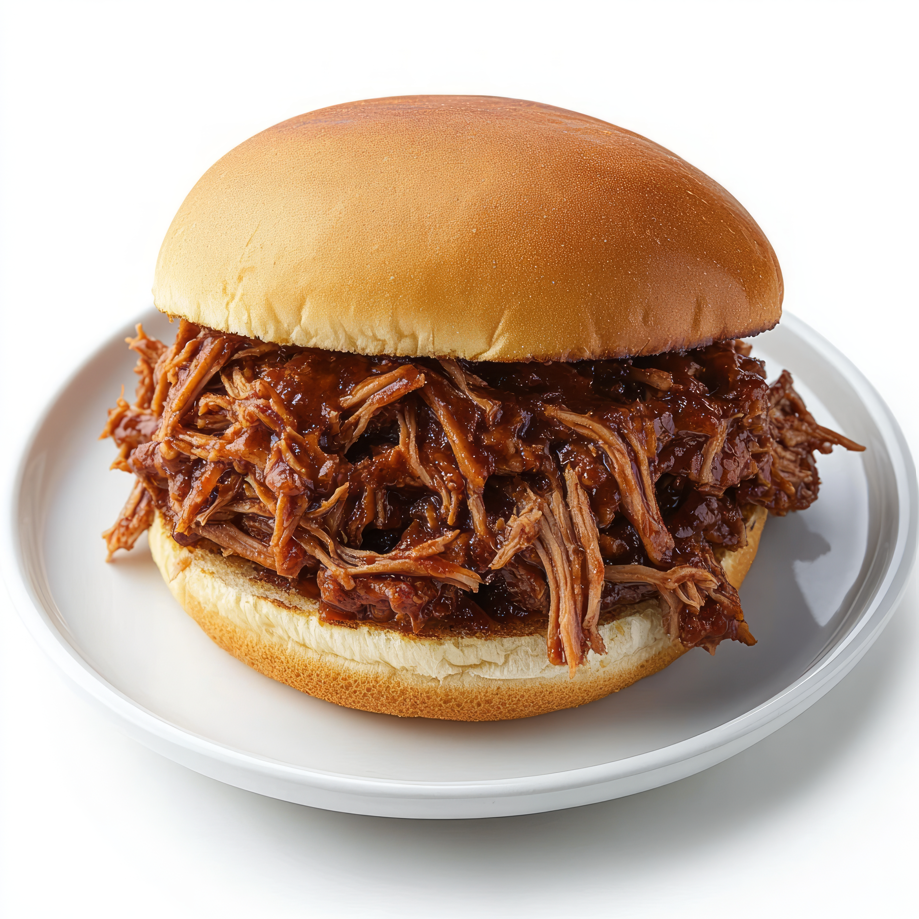
Pork
The pork carcass cutout rose 2% to $95.27/cwt, supported by lower harvest volumes. Pork butts climbed 4% to $114.88/cwt, and bellies increased 4% to $131.88/cwt, while ribs softened. Export demand remains steady, helping absorb supply.
Outlook: Pork is positioned to trend steady to slightly firmer, but remains one of the more stable proteins operationally. Operators should monitor actual usage against recipe builds and consider pork-forward LTOs where margin allows.

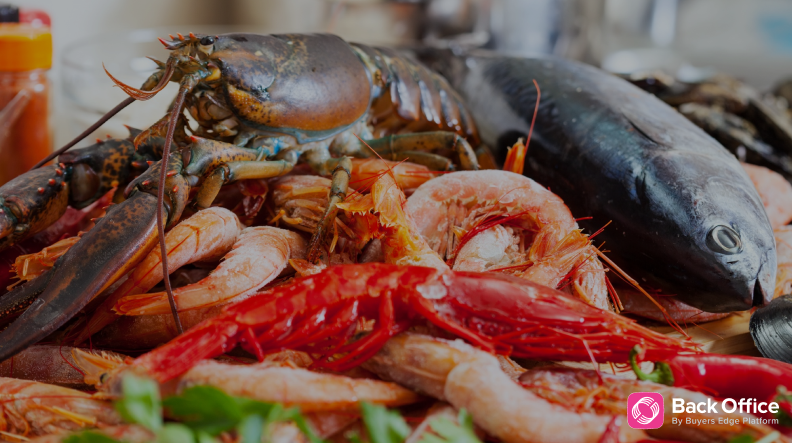
Seafood
Frozen snow crab prices climbed 15.9% month over month to a three-year high of $10.69/lb, extending an uptrend that began in early 2024. Seasonal supply tightening continues to support higher pricing.
Outlook: Premium seafood items will likely remain elevated in cost through early 2026. Operators should evaluate contribution margin reporting and consider promotional timing or portion adjustments to maintain profitability.

Produce
Produce volatility remains elevated. Iceberg lettuce surged into the $40–$50 per carton range due to harvest and shelf-life issues. Tomatoes remain pressured by cold-weather disruptions, while avocados fell 9.2% week over week, offering temporary cost relief.
Outlook: Lettuce and tomato costs may continue to strain food cost percentages in the short term. Operators should update ingredient pricing in their Back Office systems immediately and run updated recipe cost reports to avoid surprises at month-end.

Dairy
Cheese prices increased, with CME blocks rising to $1.47/lb (up $0.09 w/w), while butter surged to $1.71/lb (up $0.22 w/w). Despite the spike, butter remains $0.79 below the five-year average. Severe winter weather caused temporary production and transportation disruptions.
Outlook: Cheese and butter volatility can quickly impact high-margin menu items like pizza, breakfast, and bakery. Operators should verify current pricing in their system, re-cost core recipes, and monitor variance reports closely as the market stabilizes.

Grains
Grains strengthened, led by soybeans amid potential export demand of up to 8 million metric tons, in addition to 12 million metric tons previously committed. Soybeans may stabilize between $10.80–$11.00 per bushel if trade demand materializes.
Outlook: Grain strength may create downstream cost pressure in poultry, pork, and bakery inputs. Operators should keep an eye on trend reporting and forward-looking food cost projections within Back Office to anticipate impact before it hits invoices.