Commodity forecasting highlights from CommodityONE
This snapshot report is released every week. To learn more about the FULL report, click here.
Designed to support purchasing and forecasting teams in managing price risks, CommodityONE provides powerful tools like commodity forecasting and item-specific food cost modeling to help you plan smarter and maximize profitability. Learn how you can receive even more in-depth insights delivered daily from CommodityONE to elevate your strategy.
Tenders and wings are tightening, while breasts and dark meat cuts are more stable. These fluctuations can cause inconsistent pricing across vendors. Make sure inventory and order data is reconciled against price changes and product substitutions in your back office system.
Beef
Labor strikes were avoided, but beef supply remains tight, pushing middle meats and end cuts higher. Expect continued pricing pressure, especially on strips and top butts. If beef is a core menu item, consider flagging these categories in your weekly cost reports and forecast models.
Pork
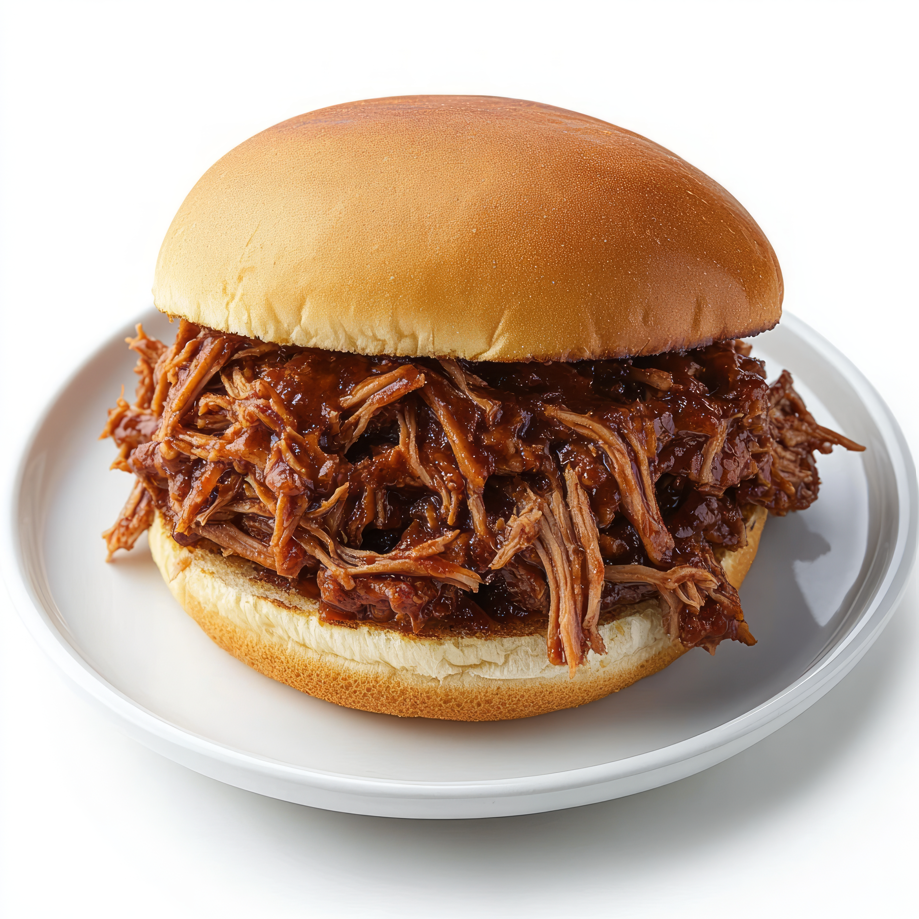
Pork prices dipped post-holiday, especially for butts, ribs, and bellies, though belly markets remain unstable. Loins are holding steady. Finance teams should track how price drops are reflected in invoice data and adjust recipe costing if long-term trends hold.
Seafood
As menus shift for summer, seafood SKUs like wild salmon, tuna, and lake fish are trending up in demand. If these proteins are part of your LTO strategy, update costing sheets accordingly and check your inventory turnover to avoid waste or overbuying.
Produce
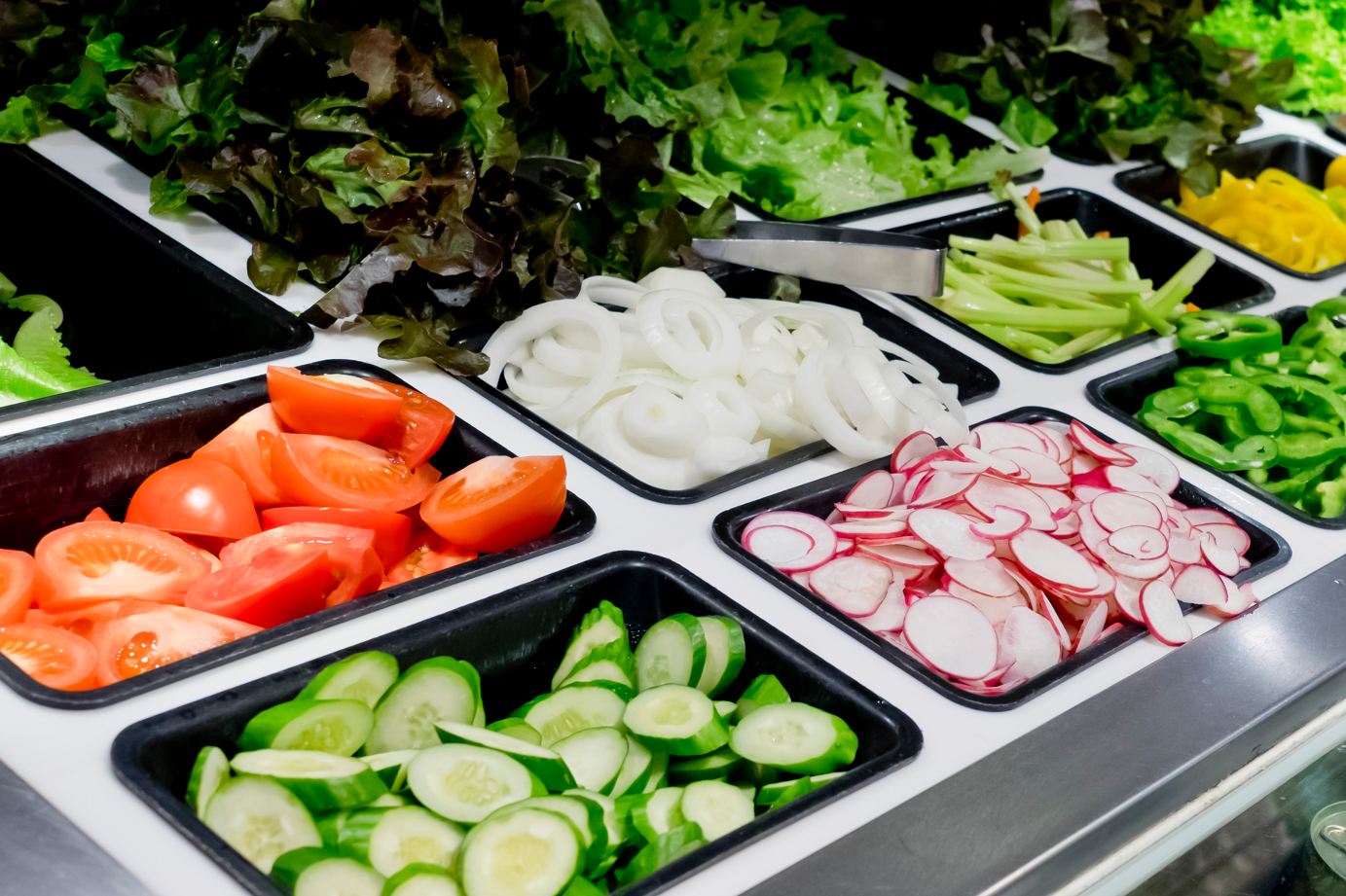
Weather conditions are pushing up costs on leafy greens, broccoli, cauliflower, and peppers. More stable categories include celery, cucumbers, tomatoes, and onions. Track these fluctuations in ingredient-level cost reports, especially if fresh produce makes up a large share of weekly spend. Avocados and lemons remain tight, and grapes are high, so budget forecasts should reflect expected price persistence.
Dairy
Eggs, cheese blocks, and butter are softening, offering short-term relief on breakfast and baking inputs. Cream remains abundant, providing flexibility in scratch-prepared items. Operators should review dairy cost centers and update GL coding where needed to reflect any shifts.
Grain
Soybean, palm, and canola oil prices dipped, but volatility remains. Fry-heavy concepts should closely monitor oil usage and variance, and consider flagging this category in weekly P&L reviews to catch unexpected spend.
Want the full report in your inbox everyday?
Submit the short form to learn how to get the FULL CommodityONE report delivered DAILY to your inbox.
CommodityONE offers a diversity in format and provides definitive content that presents the trends and forecasts that align with what’s happening in the industry. Sign up for CommodityONE today to unlock the most in-depth foodservice commodities report on the market.
Expert insights curated weekly
Powered by CommodityONE
Share this post
Related posts
Explore our latest insights for optimizing your restaurant operations.
Margins are tight. Labor is unpredictable. Food costs fluctuate without warning. In this environment, restaurant efficiency is a business necessity. The restaurants that pull ahead don’t rely on instinct alone. ...
Every restaurant owner imagines running the kind of place you see in commercials—the manager greets regulars by name, the team members are always smiling, and the food is always beautifully ...
Restaurant technology has never been more powerful—or more confusing. Between POS upgrades, inventory platforms, labor tools, and analytics dashboards, operators are often swimming in software, yet still struggling with visibility, ...