Commodity forecasting highlights from CommodityONE
This snapshot report is released every week. To learn more about the FULL report, click here.
Designed to support purchasing and forecasting teams in managing price risks, CommodityONE provides powerful tools like commodity forecasting and item-specific food cost modeling to help you plan smarter and maximize profitability. Learn how you can receive even more in-depth insights delivered daily from CommodityONE to elevate your strategy.
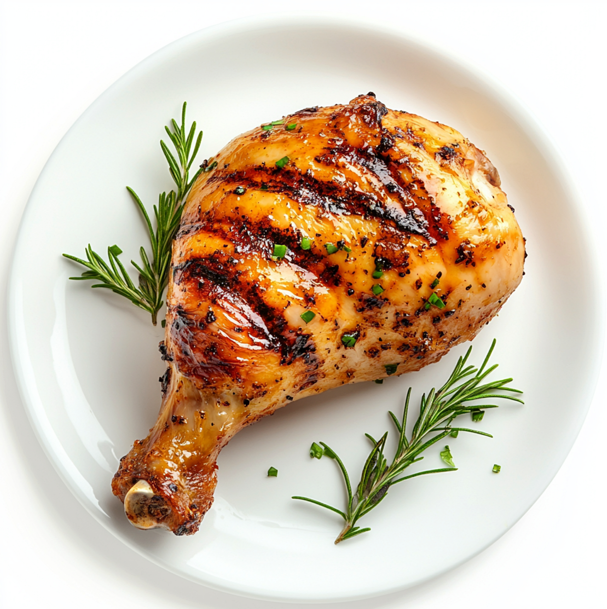
Chicken production increased last week, with supply continuing to build, but pricing hasn’t followed yet. Most chicken items rose 2–5% week over week, and breasts and tenders are up ~20% over the past month. Eggs dropped to historic lows, with limited downside remaining.
Outcome: Food costs for chicken-heavy menus will remain elevated in the short term, especially for popular cuts. Eggs are a clear margin win right now—worth leaning into for breakfast and prep-heavy items.
Beef
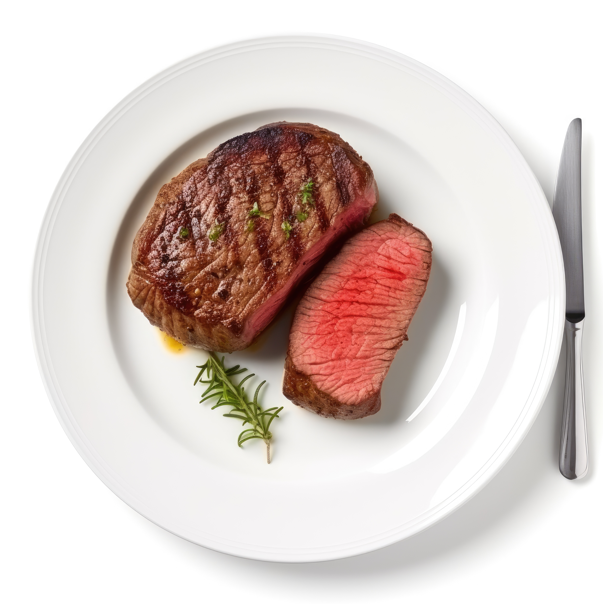
Beef production declined again last week, down 4% week over week and 6.5% year over year, keeping supply tight. While boxed beef prices softened slightly (~2%), overall costs remain high due to limited availability. Imports are increasing but are mostly lean product.
Outcome: Beef continues to be a margin pressure point. Expect elevated costs to persist, especially for premium cuts, making portion control and menu pricing adjustments critical.
Pork
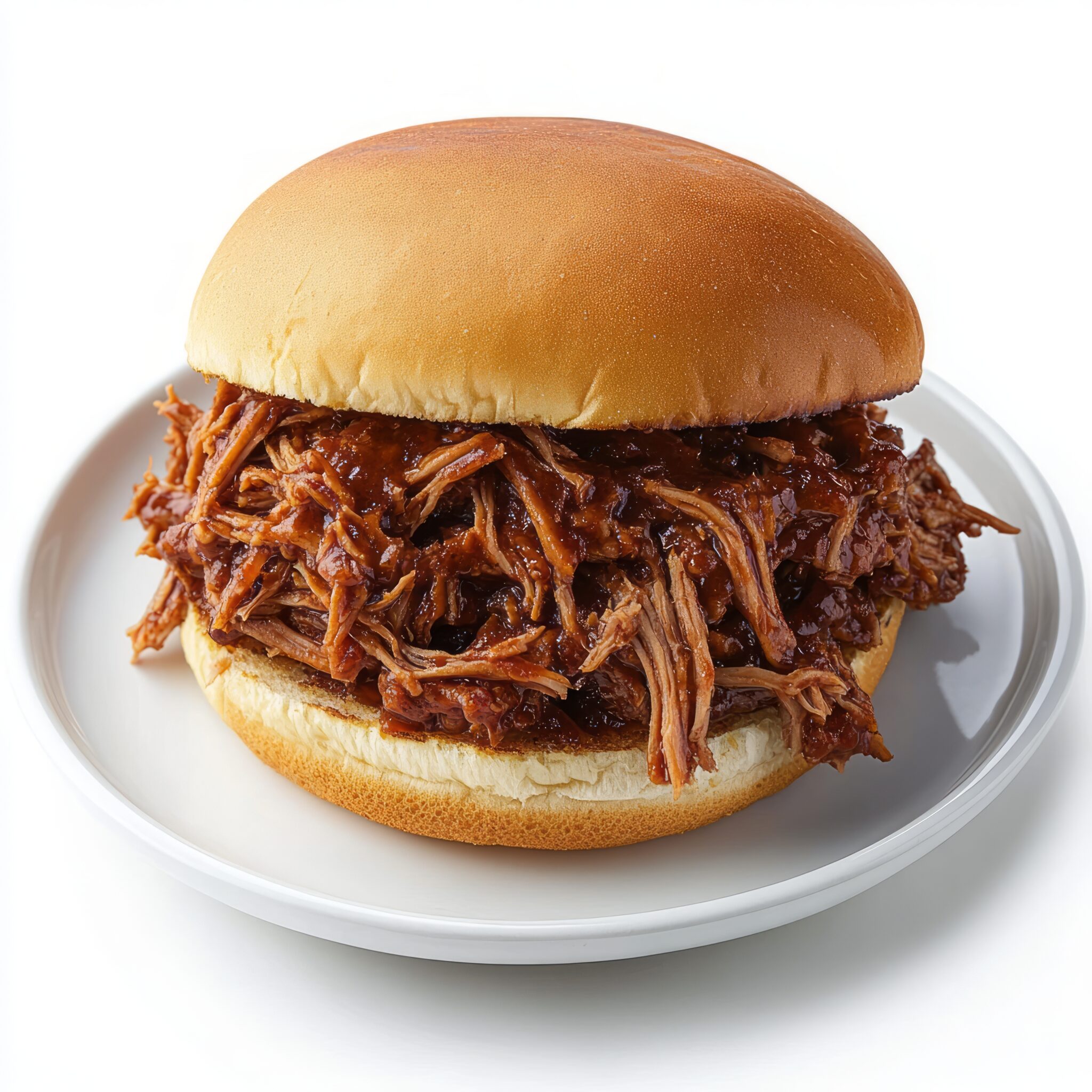
Pork production increased, helping stabilize overall pricing. The pork cutout rose ~1% week over week, with ham prices jumping nearly 9%. Pork trim remains elevated due to substitution demand from beef, while bellies stayed flat.
Outcome: Pork remains a more cost-stable protein, but not across every cut. Watch rib and trim pricing closely when costing menus, especially if you’re using pork as a beef substitute.
Seafood
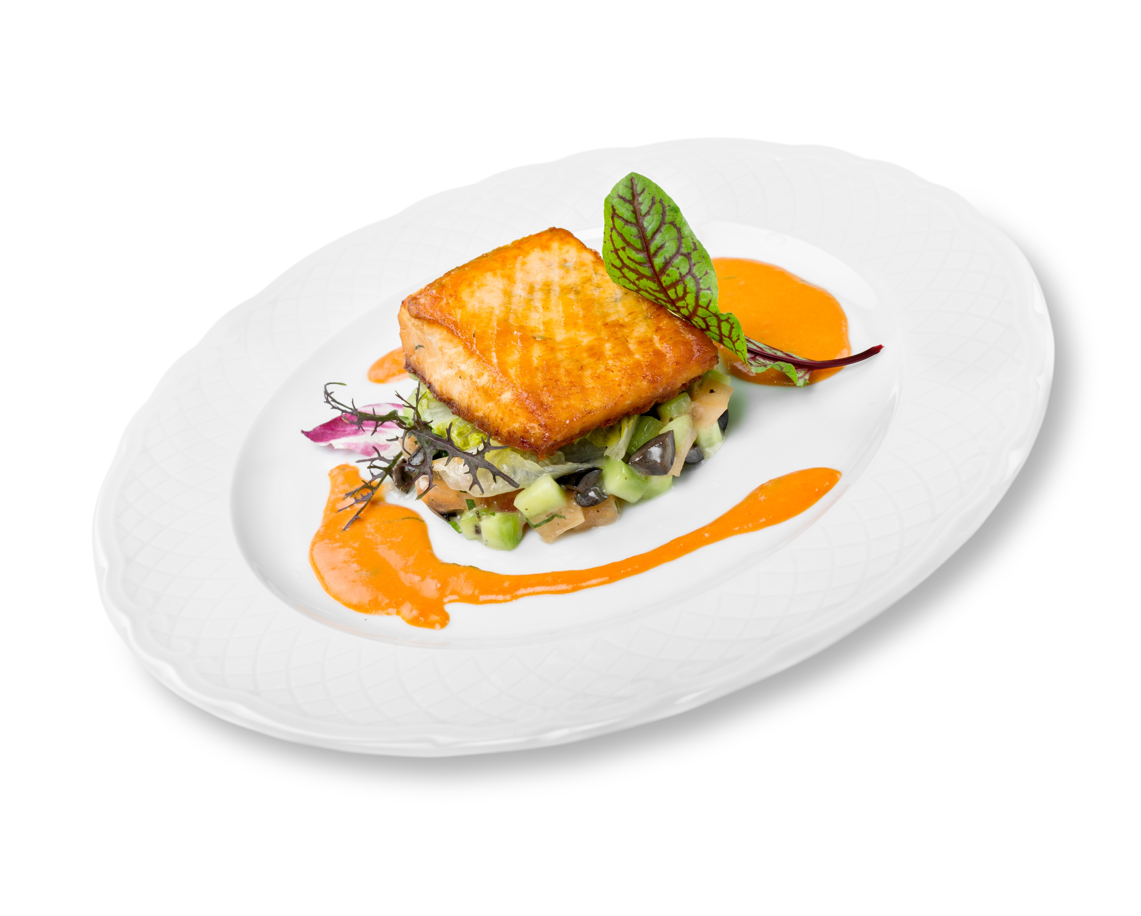
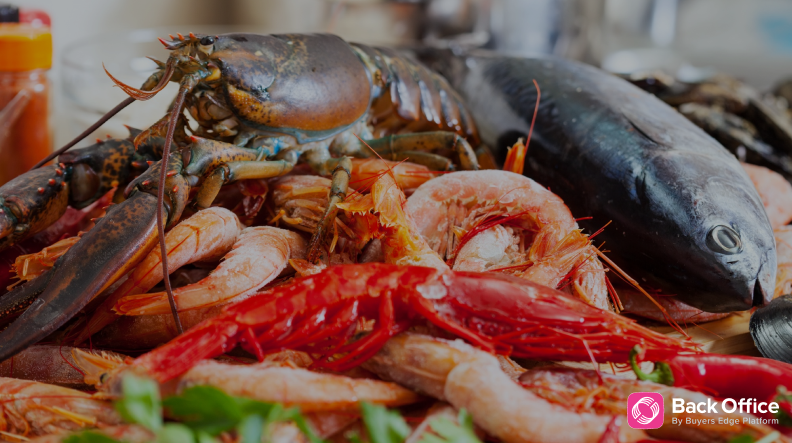
Salmon pricing declined 2.2% from January to February, breaking typical seasonal trends where prices usually rise heading into spring.
Outcome: There may be short-term opportunities to buy seafood at more favorable prices before seasonal demand pushes costs back up.
Produce
Tomato pricing held steady week over week after a volatile stretch, though swings are expected to continue through April. Avocados increased ~15% due to a temporary supply disruption, and broccoli saw a short-term rebound.
Outcome: Expect continued variability in produce costs. Build some flexibility into ordering and menu planning, especially for high-usage items like tomatoes and avocados.
Dairy
Dairy pricing was mixed last week. Cheese and butter declined slightly, while nonfat dry milk jumped to a 12-year high. Milk production is increasing seasonally, supporting supply overall.
Outcome: Stable or slightly lower cheese and butter costs are a positive for margins. However, keep an eye on dairy mix shifts that could impact pricing consistency across products.
Grains
Grain markets declined last week, driven by improved weather conditions and reduced drought levels across key growing regions. Corn prices dropped below $4.50.
Outcome: Lower grain costs could start easing pressure on feed and, eventually, protein pricing. Not immediate, but a positive signal for future cost trends.
Want the full report in your inbox everyday?
Submit the short form to learn how to get the FULL CommodityONE report delivered DAILY to your inbox.
CommodityONE offers a diversity in format and provides definitive content that presents the trends and forecasts that align with what’s happening in the industry. Sign up for CommodityONE today to unlock the most in-depth foodservice commodities report on the market.
Expert insights curated weekly
Powered by CommodityONE
Share this post
Related posts
Explore our latest insights for optimizing your restaurant operations.
Knowing how much revenue is needed to cover expenses is an essential aspect of a restaurant operator’s financial planning. Break-even analysis provides a clear benchmark for measuring performance in order ...
Understanding your restaurant’s profitability should not require digging through a stack of reports or waiting until the end of the quarter to see how the business is performing. Knowing how ...
Restaurant portion sizes directly affect operational aspects of the kitchen, like food cost, inventory accuracy, and recipe consistency. Even small portion mistakes can reduce margins over time. Learning how to ...