Commodity forecasting highlights from CommodityONE
This snapshot report is released every week. To learn more about the FULL report, click here.
Designed to support purchasing and forecasting teams in managing price risks, CommodityONE provides powerful tools like commodity forecasting and item-specific food cost modeling to help you plan smarter and maximize profitability. Learn how you can receive even more in-depth insights delivered daily from CommodityONE to elevate your strategy.
Chicken production continues to rise, now running over 3% above last year, which is keeping pricing softer across wings and boneless breasts. Eggs remain historically low but carry upside risk, while strong chick placements and a growing broiler flock point to steady supply ahead. This is one of the few protein categories currently working in operators’ favor from a cost standpoint.
Outlook: Chicken should remain a margin-friendly protein in the near term. Use the stability to offset higher-cost categories, but monitor eggs and wings for potential cost swings.
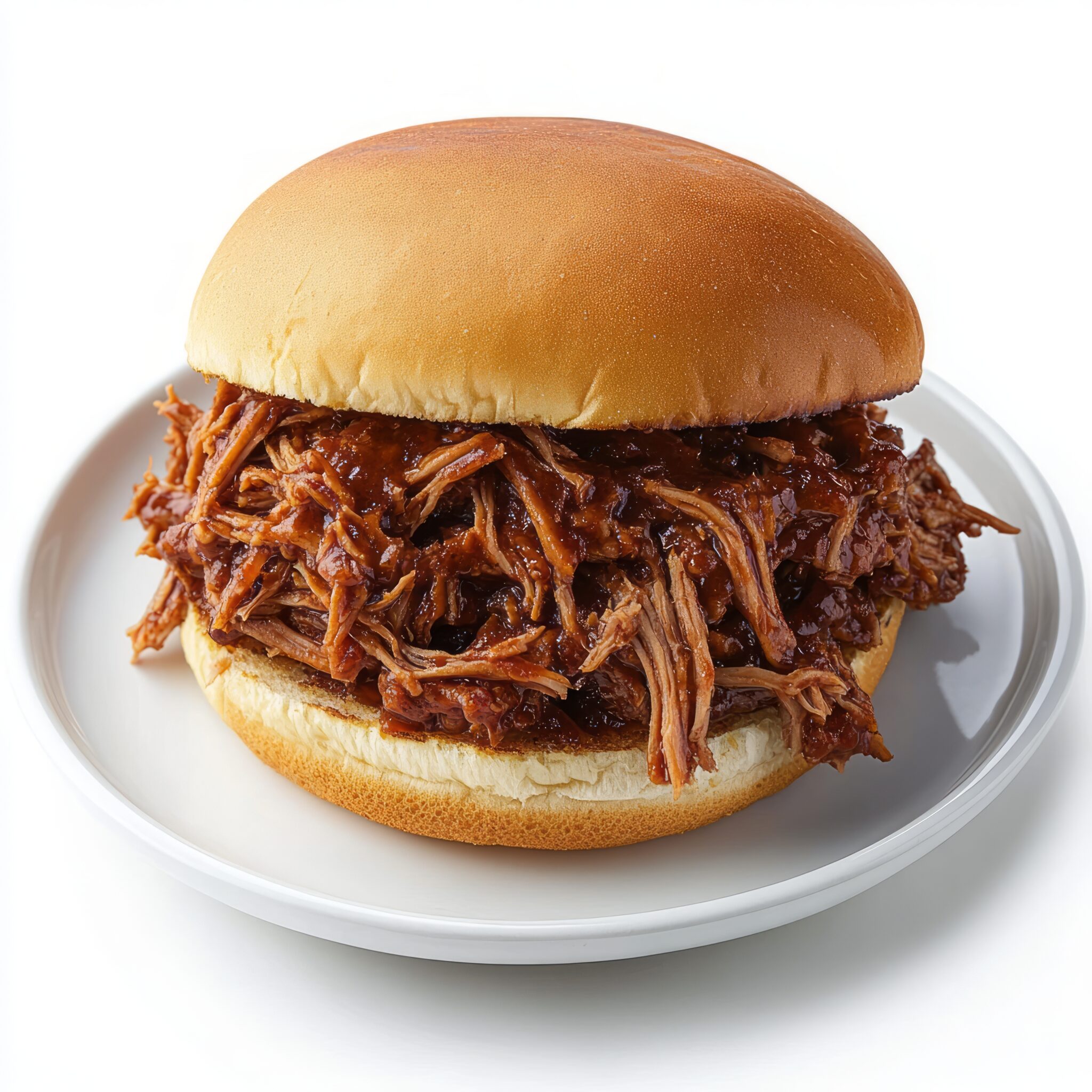
Beef
Beef production improved slightly week over week but remains down more than 5% year-to-date, with cattle slaughter still nearly 10% below last year. Cutout values are trending higher, and lean trim remains tight due to reduced cow and bull slaughter, putting pressure on ground beef costs. This continues to be one of the biggest margin challenges across menus.
Outlook: Elevated beef costs are likely to persist, especially for ground applications. Operators should closely track usage, portioning, and pricing strategies to protect margins.
Pork
Pork production dipped slightly but remains above last year, with cutout values rising behind strength in butts and ribs. Bellies are at a 10-week low, creating a short-term opportunity for cost savings depending on menu flexibility. Lower sow slaughter suggests improved supply later this year, which could ease longer-term pricing pressure.
Outlook: Pork offers some near-term cost opportunities, particularly on bellies. More favorable supply later in the year could support better pricing stability.
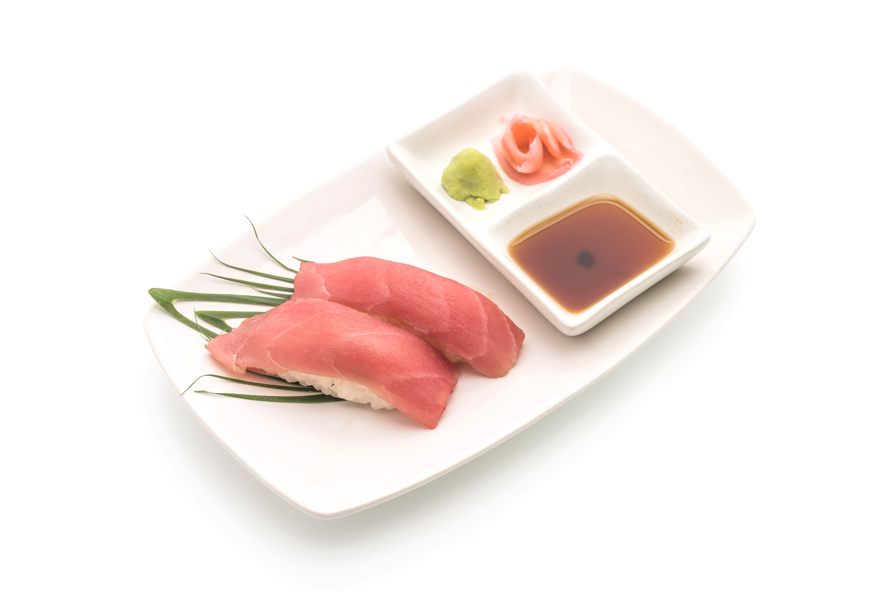
Seafood
Tilapia pricing rebounded in February after hitting seasonal lows, continuing a pattern of sharp month-to-month swings. Prices typically rise into spring before easing, making timing a key factor in cost management. The category remains highly volatile compared to other proteins.
Outlook: Expect short-term price increases followed by seasonal declines. Managing purchase timing will be important to avoid unnecessary cost exposure.
Produce
Tomatoes remain elevated, while iceberg lettuce is climbing again due to supply gaps during the Yuma-to-Salinas transition. Onion volatility, especially in whites, is tied to new crop supply but is expected to be temporary. These swings can quickly impact weekly food cost if not closely monitored.
Outlook: Lettuce will be the biggest near-term cost pressure in produce. Onion pricing should stabilize soon, offering some relief in overall produce spend.
Dairy
Cheese and nonfat dry milk moved higher last week, while butter and whey softened as milk production increases seasonally. A growing milk herd is helping maintain supply balance, which is limiting extreme price volatility. This creates a more predictable cost environment for core dairy items.
Outlook: Dairy should remain relatively stable from a cost perspective. Watch cheese pricing closely, especially if export demand begins to shift.
Grains
Wheat prices are being driven higher by worsening drought conditions, with severe and extreme drought expanding across key growing regions. Soybeans have stabilized, but overall grain markets remain elevated. This can have a downstream impact on a wide range of menu inputs, from bread to fryer oil.
Outlook: Expect continued pressure on wheat-based products in the near term. Operators should
monitor ingredient costs tied to grains and adjust pricing or sourcing where needed.
Want the full report in your inbox everyday?
Submit the short form to learn how to get the FULL CommodityONE report delivered DAILY to your inbox.
CommodityONE offers a diversity in format and provides definitive content that presents the trends and forecasts that align with what’s happening in the industry. Sign up for CommodityONE today to unlock the most in-depth foodservice commodities report on the market.
Expert insights curated weekly
Powered by CommodityONE
Share this post
Related posts
Explore our latest insights for optimizing your restaurant operations.
Knowing how much revenue is needed to cover expenses is an essential aspect of a restaurant operator’s financial planning. Break-even analysis provides a clear benchmark for measuring performance in order ...
Understanding your restaurant’s profitability should not require digging through a stack of reports or waiting until the end of the quarter to see how the business is performing. Knowing how ...
Restaurant portion sizes directly affect operational aspects of the kitchen, like food cost, inventory accuracy, and recipe consistency. Even small portion mistakes can reduce margins over time. Learning how to ...