




Poultry
Year-to-date chicken production is approximately 2.9% higher than last year, despite recent holiday-reduced slaughter. Price trends are diverging: boneless skinless breast and wing prices are softening (breasts at 12-week lows, May wings at decade lows), offering cost relief. Conversely, tenders, boneless thighs, and leg quarters are firming, with thighs trading at a rare premium to breast meat. Table eggs remain very inexpensive. Wing inventories show a smaller-than-normal drawdown, but overall supply looks adequate.
Outlook: Expect continued buyer-friendly conditions and cost relief on chicken breasts and wings through the summer, supporting margin stability. Budget for modest cost increases on dark meat items and potential seasonal upticks for wings during peak demand. Favor short-dated or layered buys rather than heavy long-term commitments for white meat.
Beef
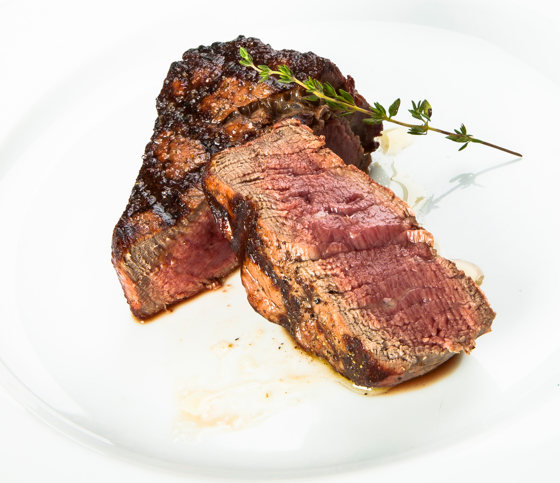
Holiday impacts masked a broader signal: Cattle on Feed inventories are up nearly 2% year-over-year, with higher placements and lower marketings indicating cattle are backing up in feedlots. Boxed beef results are mixed by primal; some middle meats are below year-ago levels, while brisket and flank show strength.
Outlook: Anticipate increasing market-ready beef supplies and downward pressure on many primal costs into late summer and fall, creating opportunities for cost savings on middle meats. Limit long-dated coverage and focus on opportunistic buys for these supported cuts. Expect continued cost pressure on briskets and select trims.
Pork
Heavier hog weights have kept year-to-date pork production roughly flat year-over-year. The USDA pork cutout has risen across all primals, led by a significant ~16% rally in pork butts over the past month. April cold storage data reveals tight inventories, particularly for butts (smallest April level since 2021) and bellies (a five-year low, with the smallest seasonal belly build in five years).
Outlook: Strong pork production levels are expected to continue supporting stable overall supply conditions in the months ahead.

Produce
Tomatoes, lettuce, and onions are easing from earlier seasonal highs, providing some cost relief, though tomato price declines are moderating. Potatoes and 48-count Hass avocados have shown renewed, early summer strength. The potato rally appears to have started earlier than usual due to tightening old-crop supplies, and avocado prices jumped as Mexico’s main crop winds down sooner than normal.
Outlook: Expect continued seasonal cost increases for potatoes and avocados through late summer as supplies remain constrained. Tomatoes and lettuce are anticipated to fully normalize, offering ongoing cost benefits and supporting budget adherence. Secure partial coverage for potatoes and avocados while buying tomatoes and lettuce opportunistically.
Dairy
CME dairy markets were mixed: cheese and nonfat dry milk declined, while butter and dry whey firmed. April U.S. milk production rose 2.7% year-over-year, driven by herd expansion and higher yields, confirming structurally ample and expanding milk supplies. The two-year growth rate in milk output is significant.
Outlook: Ample and expanding milk availability is expected to limit sustained upside in cheese and butter costs throughout the summer and into the second half of the year, supporting stable dairy budgeting. Avoid heavy long-term cheese/butter commitments and use short-dated hedges or opportunistic spot purchases.
Grains
Most grain markets finished lower, supporting cost stability. However, soybean oil has extended its rally, clearing the ~$75/cwt technical resistance level, despite soft crude oil and indifferent soybean performance. Further significant gains face resistance at the 2022 four-year high and would likely require supportive crude oil movement.
Outlook: Near-term soybean oil strength is possible, potentially testing multi-year highs, but a sustained rally will likely depend on crude oil dynamics. Broader grain markets are expected to remain range-bound to soft, providing general cost stability for grain-dependent items. Consider conditional triggers or small hedges for SBO exposure and keep grain origination flexible.
Seafood
Frozen Alaskan pollock fillet prices surged over 15% month-over-month in March, recovering much of a prior multi-year decline and reaching their highest level since early 2025. Prices corrected in April, but the overall trend indicates continued upside potential into the fall.
Outlook: Pollock prices are likely to trend higher through the remainder of 2026. Operators with material exposure should consider forward coverage sooner rather than later or evaluate alternative species/menu substitutions to mitigate financial impact.