



Poultry
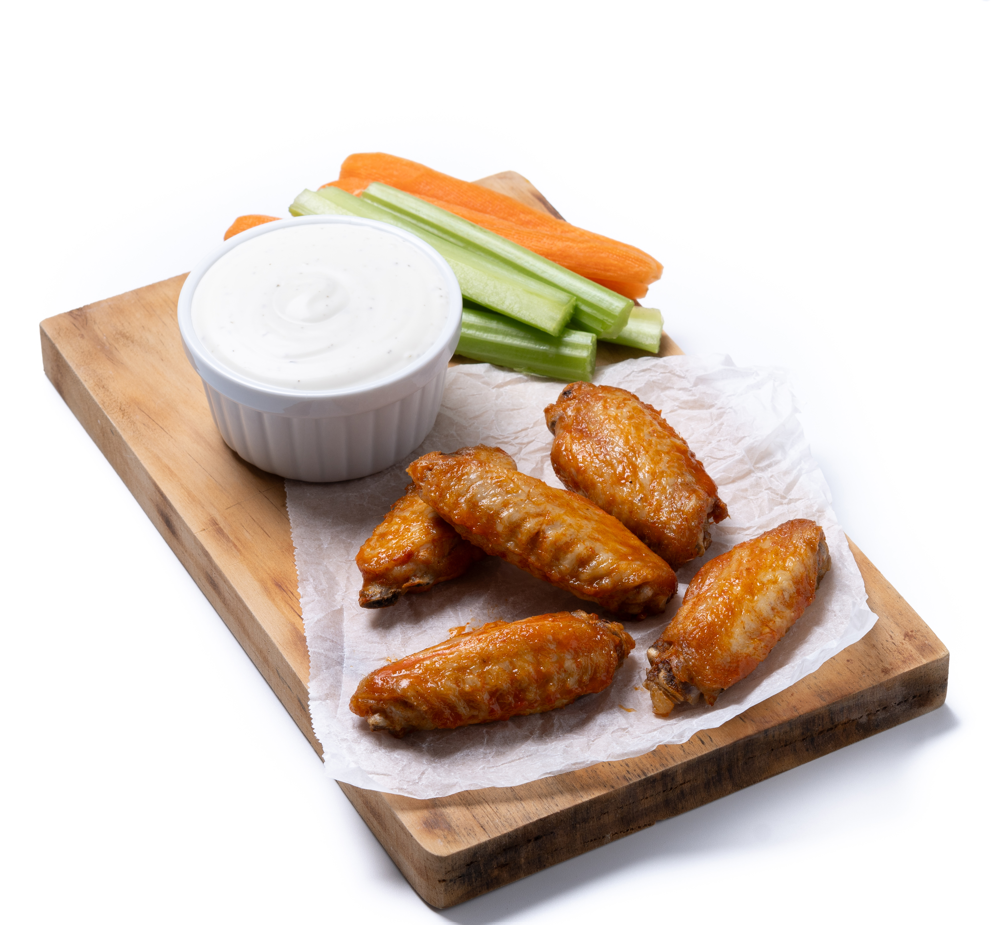
Chicken markets were mostly steady last week, with harvest down 3.5% week-over-week but still 3.3% higher year-over-year. Boneless/skinless breasts held at $1.47/lb and tenderloins at $1.52/lb, while wings slipped slightly to $1.20/lb but remain significantly lower than last year. Dark meat strengthened, with boneless/skinless thighs up 7% month-over-month and 10% year-over-year. Egg prices dropped sharply, down 26% week-over-week and now 89% below last year.
Outlook: Chicken pricing should remain relatively stable in the near term, with some firming possible in dark meat cuts. Eggs currently offer favorable pricing due to ample supply, though avian influenza remains a wildcard that could quickly shift the market.
Beef
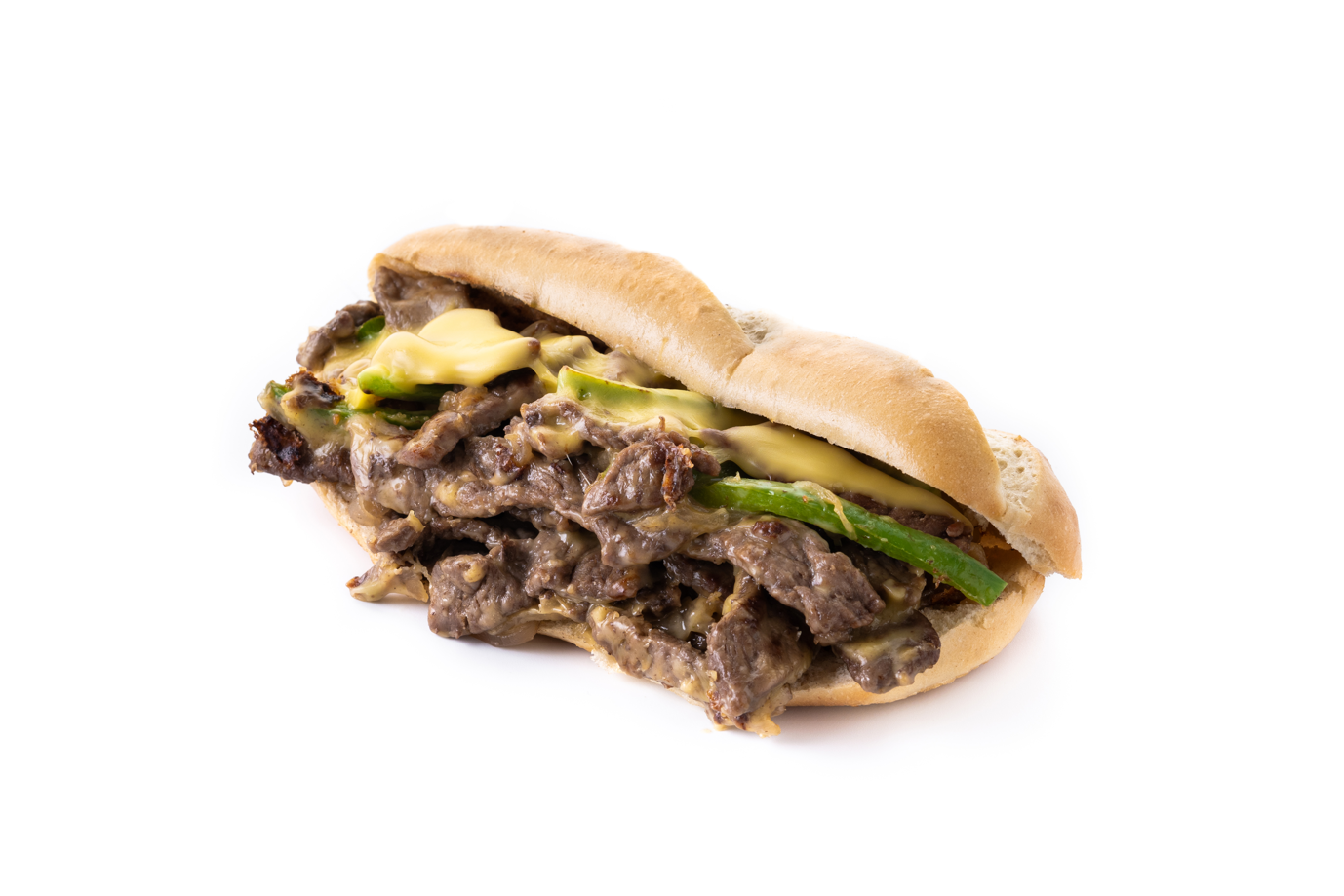
Beef prices moved higher last week as packers slowed harvest to support the market. Choice and select cutouts both increased 3%, with ribeyes rising to $11.35/lb and striploins reaching $10.11/lb. Ground beef 81% climbed to $3.84/lb, while trim markets also strengthened.
Outlook: Beef pricing is likely to remain elevated in the short term as tighter supply and strong demand for loin items continue to support the market. Operators should monitor premium cuts closely, as rising beef costs can have a meaningful impact on menu margins.
Pork
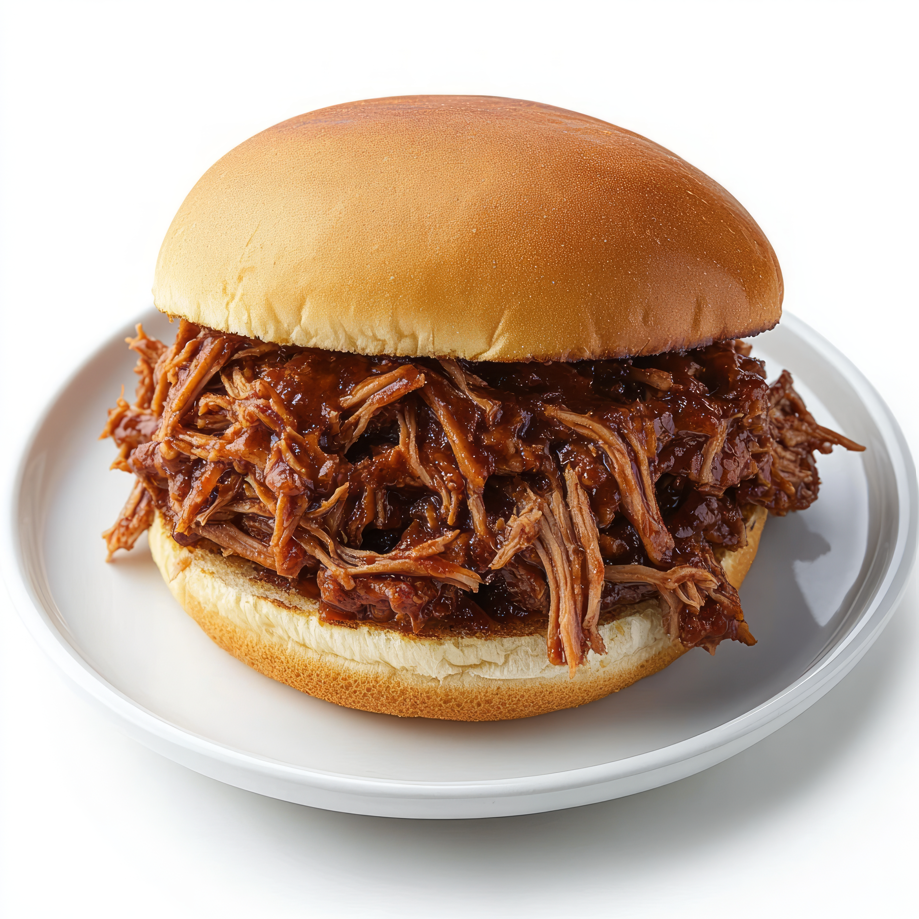
The pork cutout rose 2% to $97.38/cwt, supported by stronger belly pricing and gains in trim markets. Boneless pork loins dipped slightly to $1.38/lb, while ribs declined 4%. Ham prices softened amid moderate retail demand.
Outlook: Pork markets appear balanced heading into early spring. While retail demand remains moderate, rebuilding freezer inventories and potential improvement in export sales could help support prices in the coming weeks.
Seafood
Frozen tilapia filets rebounded 11% month-over-month after reduced import volumes late last year tightened supply. Early-year seafood markets tend to be more volatile, and recent pricing reflects that seasonal pattern.
Outlook: Tilapia prices may trend sideways in the short term before potentially rising in March or April, which historically marks the seasonal peak. Prices are unlikely to move far beyond the $2/lb range before easing later in the year.

Produce
Tomatoes posted the largest gain among major produce items, with large romas rising nearly 15% week-over-week as markets continue to feel the impact of January’s freeze. Iceberg lettuce declined more than 19% week-over-week after reaching elevated levels earlier this winter.
Outlook: Tomato pricing may remain elevated due to ongoing supply disruptions, while lettuce may have reached a short-term ceiling following recent declines. Produce markets remain sensitive to weather and harvest conditions, which can drive quick price changes.

Dairy
Cheese markets strengthened modestly last week, with blocks rising to $1.53/lb and barrels to $1.56/lb. Butter edged slightly lower to $1.86/lb, while production remains active across dairy plants and retail demand for cheese remains strong.
Outlook: Dairy markets appear relatively stable, with cheese prices supported by steady demand and active production. Butter markets remain balanced, with current supply levels likely preventing major price spikes in the near term.

Grains
Corn and soybeans continued climbing last week, driven in part by speculation around upcoming biofuel blending requirements. Soybean oil has become the strongest-performing commodity year-to-date as traders anticipate future demand from renewable fuel markets.
Outlook: Grain markets may remain volatile until the EPA releases its 2026 biofuel blending mandates later this month. Depending on the final policy, soybean oil and related grain markets could either extend gains or correct quickly.