




Poultry
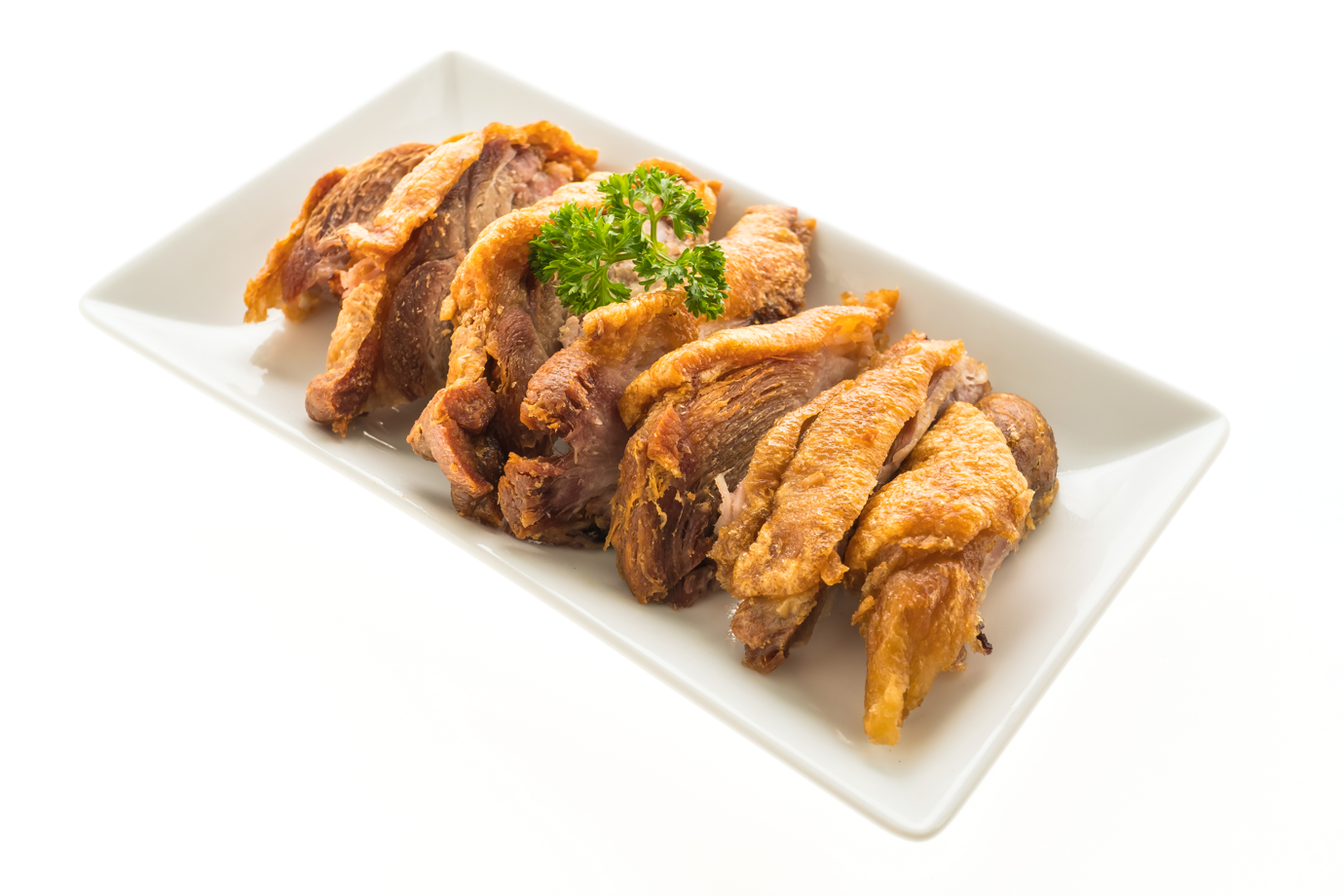
Chicken supply remains elevated, with production up 3.3% year-over-year, keeping pricing relatively stable across most cuts, while wings remain historically low. Egg prices have dropped sharply from $8.50/dozen last year to around $0.50 today, even as production rises.
Outlook: Chicken is a stable category for cost control right now, but wings could move higher. Eggs offer short-term margin relief, but volatility isn’t gone—watch closely if they’re a core ingredient.
Beef
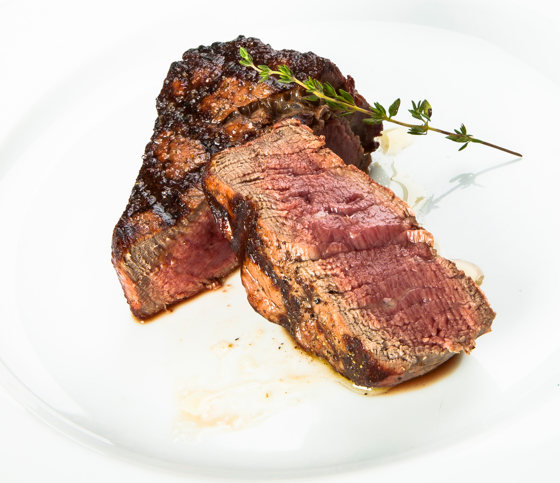
Beef production remains constrained as cattle supplies tighten and packer margins stay under pressure. Last week’s output fell 3% year-over-year, while premium grilling cuts continued strengthening as seasonal demand builds. Beef trim pricing also reached new record highs, creating ongoing pressure for burger programs and ground beef-heavy menus. At the same time, March import volumes surged 19% year-over-year, helping support lean beef availability despite tighter domestic production.
Outlook: Operators should continue planning for elevated beef costs through summer grilling season. Monitoring menu mix, portion control, and recipe profitability will remain critical as trim and premium cut pricing stay volatile.
Pork
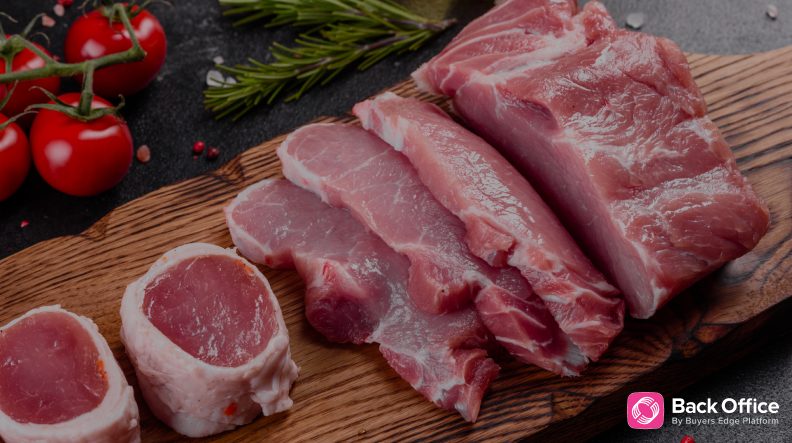
Pork production improved slightly last week and remains generally stable year-over-year. Pork bellies experienced the largest decline, now trading nearly 14% below last year, while ribs and butts moved higher with grilling demand. Seasonal pricing strength is still expected during Q2, though relatively stable production levels could limit the magnitude of price increases this year.
Outlook: Pork may continue offering operators more manageable cost opportunities compared to beef. Belly pricing could create near-term value opportunities for bacon-heavy menus, while ribs and butts may continue trending higher into summer.

Seafood
Frozen cod pricing surged again in March, climbing 24% month-over-month and reaching new record highs as import volumes remained tight. While supply conditions are expected to improve beginning later this spring, pricing remains historically elevated for now.
Outlook: Seafood operators may continue facing elevated cod costs in the near term, though improving imports later this year could help create more stable purchasing conditions heading into the second half of 2026.

Produce
Lettuce, onions, and tomatoes remained the most volatile produce categories last week. Onion pricing showed signs of leveling off earlier than expected, while iceberg lettuce remains elevated with limited supply relief expected until later this month. Tomato prices also continued climbing, though supplies are beginning to improve.
Outlook: Produce volatility may continue impacting recipe costing and menu profitability through May. Operators should continue monitoring produce-heavy menu items closely and stay flexible where substitutions or seasonal adjustments make sense.
Dairy
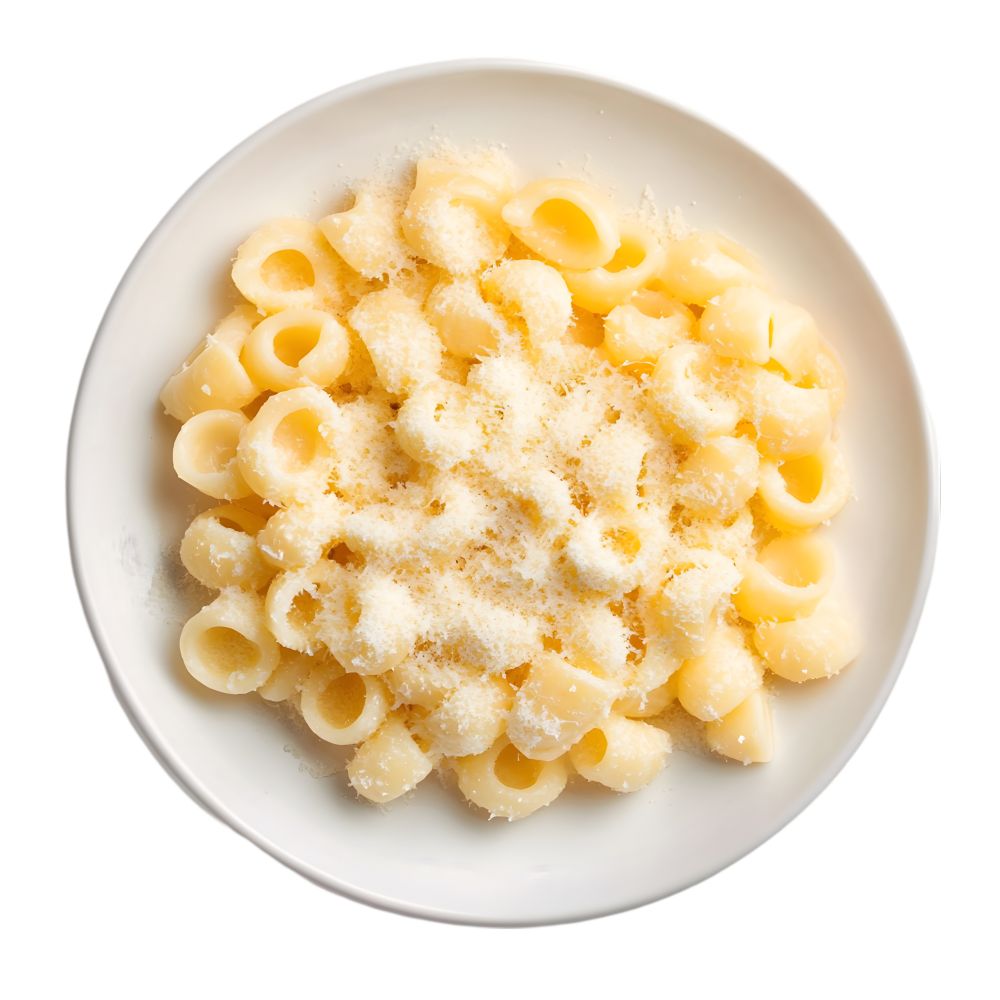
Most dairy markets softened modestly last week, led by butter, while nonfat dry milk moved higher despite weakening export demand. March export volumes for nonfat dry milk fell nearly 8% year-over-year, suggesting elevated domestic pricing may begin slowing demand further into summer.
Outlook: Dairy pricing may remain relatively stable near term, though volatility risks still exist, particularly for nonfat dry milk. Operators should continue tracking dairy costs closely within recipe and menu reporting systems.

Grains
Corn, soybean, and wheat markets all moved lower last week as geopolitical fertilizer concerns eased. Wheat pricing declined despite continued concerns surrounding crop yields and abandonment in Kansas production areas, signaling ongoing uncertainty across grain markets.
Outlook: Grain volatility could continue impacting ingredient and supplier pricing across multiple categories. Restaurants should continue monitoring supplier updates and evaluating how commodity shifts may impact food cost forecasts in the coming months.