




Poultry
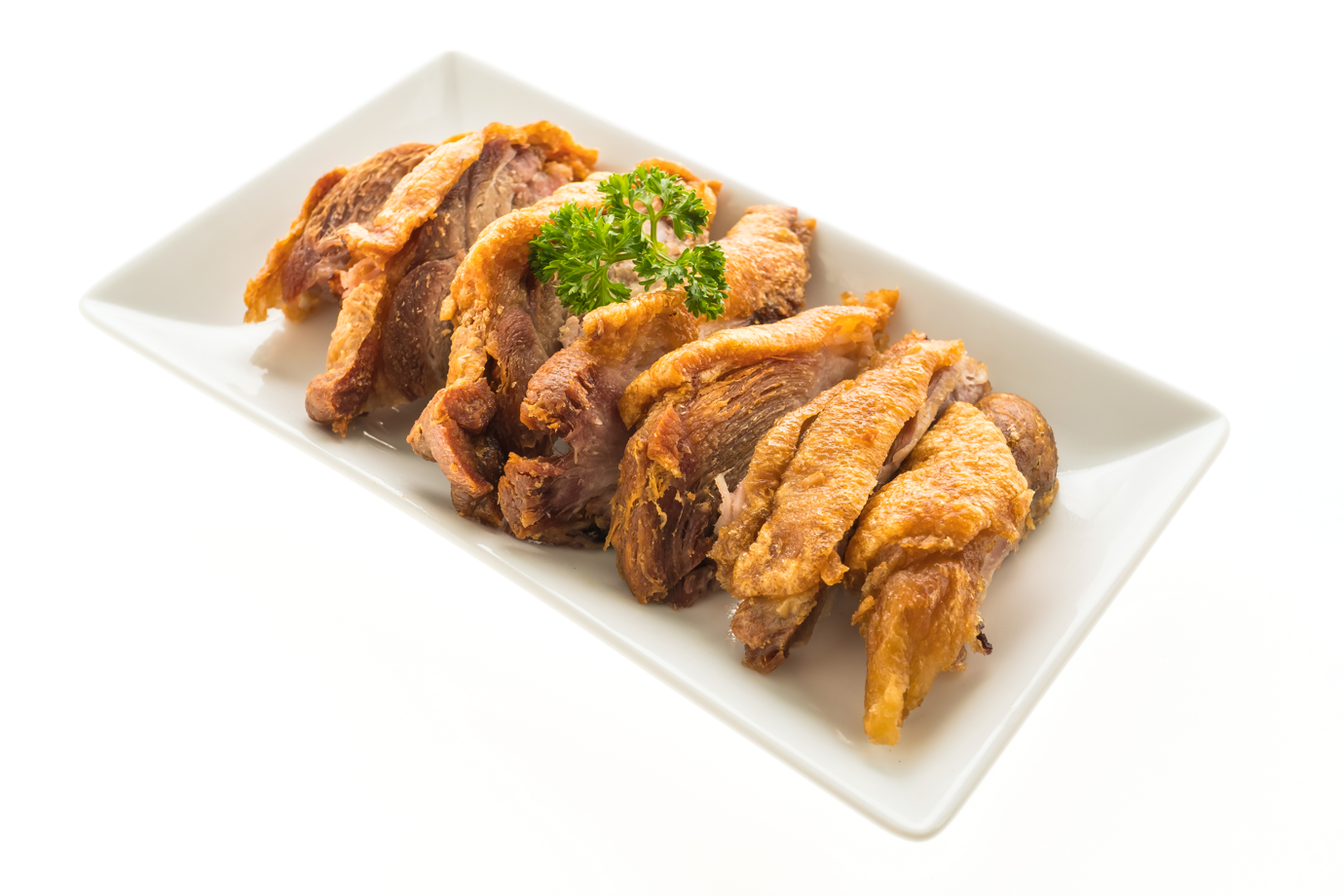
Last week, young chicken slaughter saw a slight dip week-over-week but remained 1% above last year, with year-to-date production up 3%. While most chicken markets trended higher, boneless, skinless chicken breasts experienced a dip and are on track to average lower in May than April—a rare occurrence not seen since 2019. This decline is occurring despite significant discounts for chicken breasts relative to hamburgers. Chicken wings are also trading near decade-low May levels. Table egg prices increased, while turkey breast markets eased. Although U.S. beef exports to China have resumed, potentially creating optimism for other proteins, China’s domestic chicken production is growing, and its imports are projected to reach their lowest point since 2013. Consequently, any boost in U.S. chicken exports to China is likely to be limited and potentially short-lived.
Outlook: Expect continued downward pressure on chicken breast and wing margins. Monitor breast inventories closely, tighten promotional plans, and implement margin protection strategies, as sustained export-driven demand increases are unlikely.
Beef
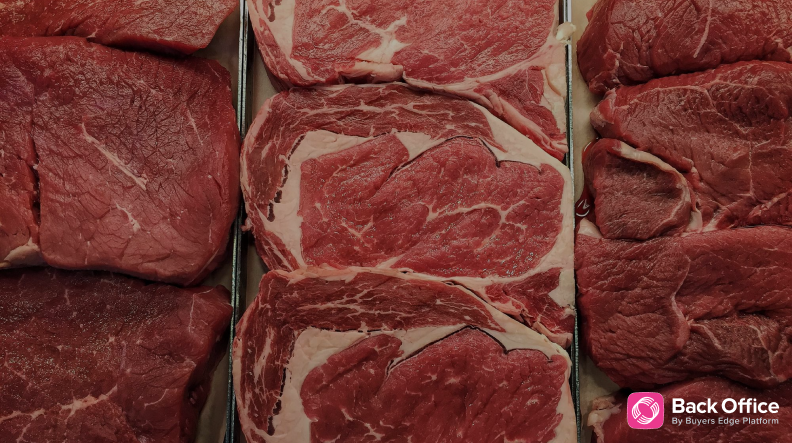
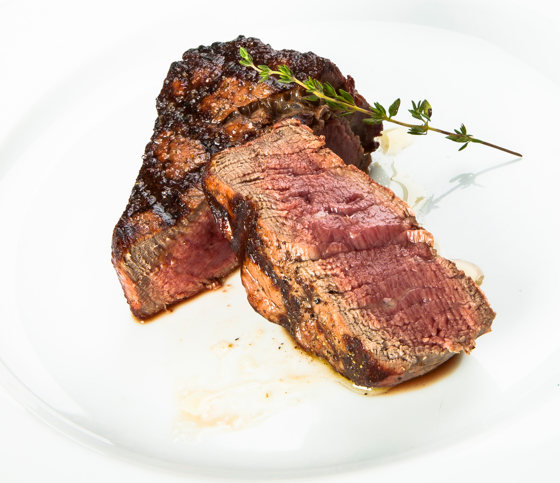
Beef production improved last week, up 1.4% from the prior week and only 2.4% below year-ago levels for the week. However, year-to-date beef output still lags behind last year by 6.7%, primarily due to a 9.3% decrease in cattle slaughter. Market conditions were mixed, with USDA Choice cutout averaging slightly lower while Select moved higher, finishing above Choice, which may indicate some consumer trade-down activity. Flanks and chucks were top gainers, while briskets and loins lagged. Beef trim markets remained firm, with fatter trim outperforming leaner cuts. Key international developments include the resumption of U.S. beef exports to China and potential easing of access for Brazilian beef imports into the U.S. The USDA has significantly lowered its Q2, Q3, and Q4 production estimates, suggesting the anticipated backlog of cattle in feedlots may not materialize.
Outlook: Prepare for upward cost pressure and tighter domestic availability. Review contracted supply commitments, re-evaluate price pass-through assumptions, and be ready for targeted substitutions.
Pork
Pork output softened last week, declining 3.6% week-over-week, but finished only 0.3% above the same week last year. Despite this tighter supply picture, the USDA pork cutout saw only a modest gain, driven by strong advances in the butt and rib complexes. Pork bellies continue to present a potential seasonal buying opportunity, with the primal down nearly 5% last week, approximately 13% over the past month, and trading over 16% below year-ago levels. The USDA’s updated 2026 pork supply forecasts indicate Q2 production will be only about 1% above last year, with modest per capita consumption growth. While U.S. pork exports to China have been underwhelming, exports to Mexico are robust, reaching record levels for March and driven by demand growth that outpaces domestic production.
Outlook: Target opportunistic purchases for pork bellies. Anticipate firmer ham demand from Mexico and align inventory and hedging strategies with a modestly tighter Q2 supply profile.

Seafood
Frozen tilapia fillet prices experienced a notable decline of 8.8% month-over-month in the March data. This drop was surprising given tilapia’s typical seasonal price peak between March and April, often following a strong February-to-March surge. Tilapia began the year at an all-time low and has struggled to recover from a significant collapse experienced last year. Despite a 7% average price climb in February, the anticipated surge through March did not fully materialize. Weaker import volumes in April may have temporarily underpinned prices, but in real-time, tilapia appears to have reverted to a sideways-to-slightly-lower trend.
Outlook: Plan for continued subdued or sideways tilapia pricing in the near term, deviating from historical seasonal patterns. Optimize sourcing contracts for flexibility and avoid committing to inflated forward price levels.

Produce
Positive developments emerged in the produce sector last week, with tomato prices experiencing a sharp decline as new supplies from the Eastern U.S. and Mexico become available. Onion prices are leveling out after a recent surge. While pent-up demand may briefly support tomato prices after prolonged tightness, large romas are expected to return to the $10-$15/carton range by the end of June. Onion markets are transitioning from old to new crops in California and New Mexico, signaling a notable price downturn in the coming weeks, though yellow onions may retain some April gains. Lettuce prices remain historically elevated, with a full supply recovery not expected until the end of May. 24-count iceberg is forecast to return to the $15-$20/carton range by mid-June.
Outlook: Anticipate falling produce costs through June. Adjust short-term RFPs, reduce emergency spot buys, and plan promotions around improving availability of tomatoes, onions, and lettuce.
Dairy
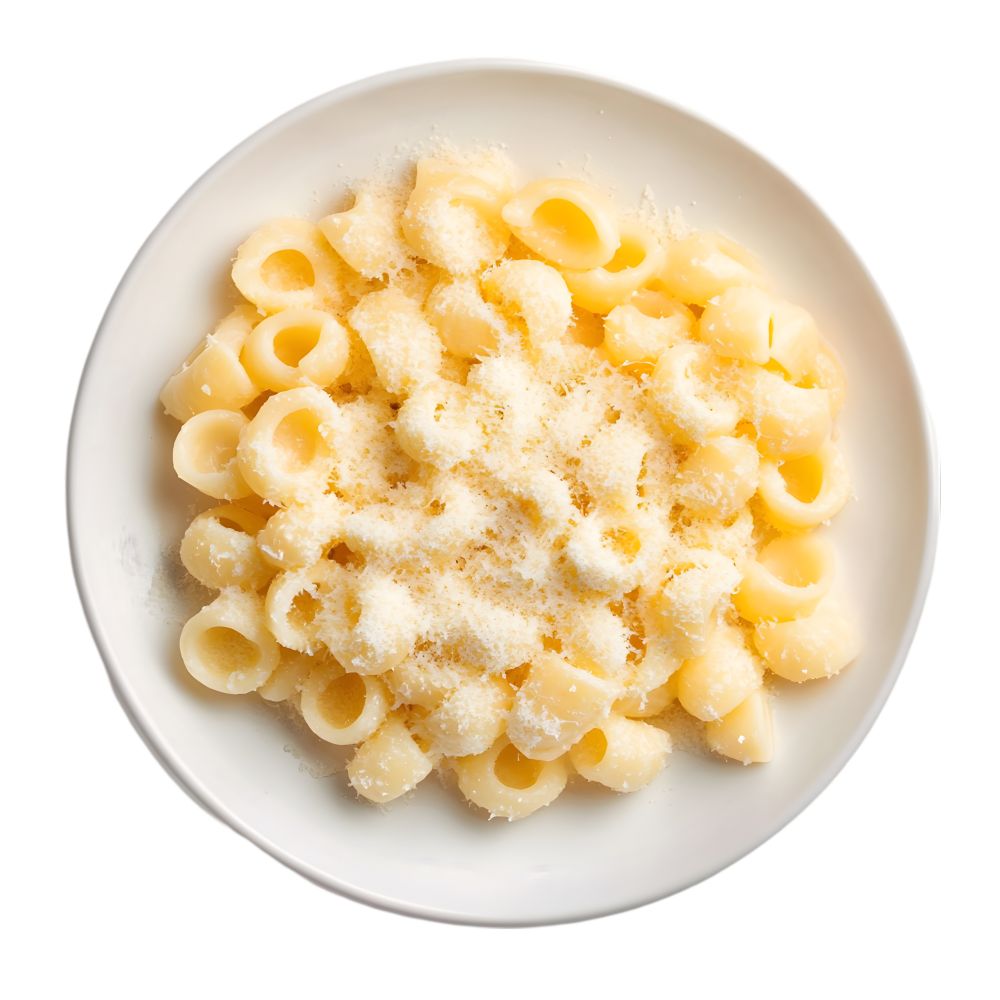
CME spot dairy trading showed mixed results on Friday, with butter, cheese blocks, and nonfat dry milk finishing lower, while whey saw a single trade increase. For the week, most dairy markets eased, with the exception of butter, which finished slightly higher. CME cheese prices are now approximately 12% below last year, and butter prices are down a significant 30%. Seasonally strong U.S. milk production continues to support robust dairy product output. Spot milk prices have firmed somewhat but generally remain below class prices. Domestic cheese and butter demand is steady, and export demand remains steady to strong, with March U.S. cheese exports surging 29% year-over-year to a record high, led by Mexico. However, softening cheese prices in Oceania and Europe are making U.S. cheese less competitive globally, which could hinder export momentum later this summer.
Outlook: Expect generally soft domestic product prices through the summer, with potential headwinds from slowing export momentum. Manage inventory rollovers conservatively and revisit forecasts that are heavily reliant on export demand.

Grains
The grains market experienced a busy week of headlines, resulting in mixed futures board performance. The May Crop Production and WASDE Reports were released, providing initial 2026/27 balance sheets. The Crop Production Report offered significant details regarding the U.S. wheat crop. The EPA’s 2026/27 renewable volume obligations are projected to increase biofuel demand for soybean oil by approximately 25% year-over-year. Despite this, the 2026/27 U.S. soybean oil carryout is expected to rise slightly year-over-year, driven by increased production and decreased exports and other domestic use.
Outlook: Expect volatility influenced by WASDE data and biofuel RVO adjustments. Reassess hedge timelines for soybean oil and wheat positions and avoid assuming prolonged price spikes without supportive supply-demand confirmation.