




Poultry
Chicken production was slightly lower last week, with the USDA reporting 172.7 million head harvested — down 1% from the previous week but still 2.4% higher than last year. Boneless skinless breasts slipped another cent to $1.13/lb, and tenderloins eased to $1.40/lb. Wings, thighs, and drumsticks also edged lower, while turkey and egg prices were steady. Boneless turkey breasts remain sharply higher year-over-year, up 273%, and whole birds are 57% higher.
Outlook: After several weeks of declines, poultry prices appear to be bottoming out. Operators should expect modest price support in November as retail promotions and holiday buying pick up, though continued high production may keep the market from moving much higher.

Beef
Even with cattle futures down 2–4%, boxed beef prices climbed last week thanks to strong holiday demand. Choice beef was up 2% to $373.14/cwt, with popular cuts like ribeyes, loins, and tenderloins leading the increase. Ground beef and trimmings also gained, supported by steady retail and foodservice demand. Some pressure from increased Argentine imports affected live cattle prices but hasn’t slowed overall momentum in wholesale beef.
Outlook: Expect beef prices to stay strong into mid-November as seasonal demand drives activity. Operators should plan for continued firmness in high-end cuts as retailers and restaurants prepare for the holidays.
Pork
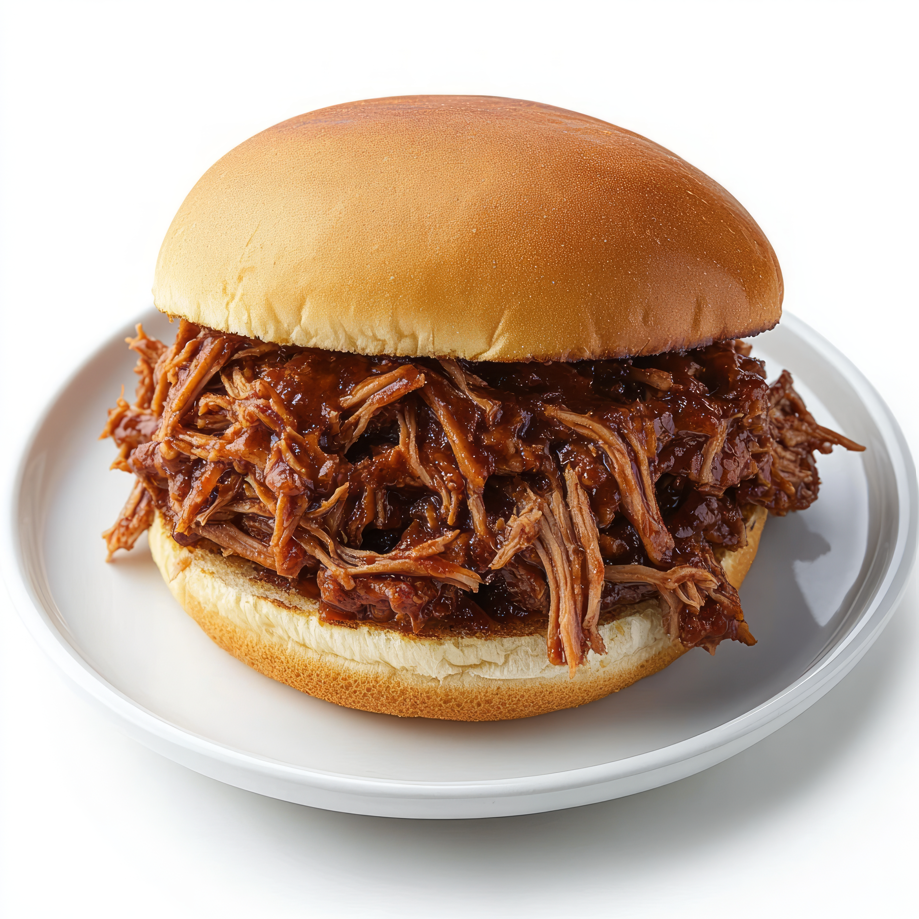
The pork cutout fell 3% last week to $99.71/cwt, as prices weakened across loins, bellies, and hams. Boneless loins dropped to $1.32/lb and ribs to $1.69/lb, while tenderloins inched higher to $1.85/lb, offering a rare bright spot. Export demand helped steady the market slightly, especially for pork butts, but domestic demand remains mixed.
Outlook: Pork prices are expected to stay under mild pressure in the short term. With export demand improving but no significant boost in domestic buying, operators should anticipate continued softness through early November.

Seafood
Scallop prices have seen significant declines this year, dropping nearly 40% in July and reaching a four-year low. The price movement fits the usual seasonal pattern, with scallops often bottoming out in midsummer before climbing again in Q4. While the market is expected to rebound, pricing will likely stay below early-year highs due to slower overall demand.
Outlook: Expect scallop prices to recover gradually through November as holiday menu planning increases buying activity. Prices may ease again in early 2026 as seasonal demand winds down.

Produce
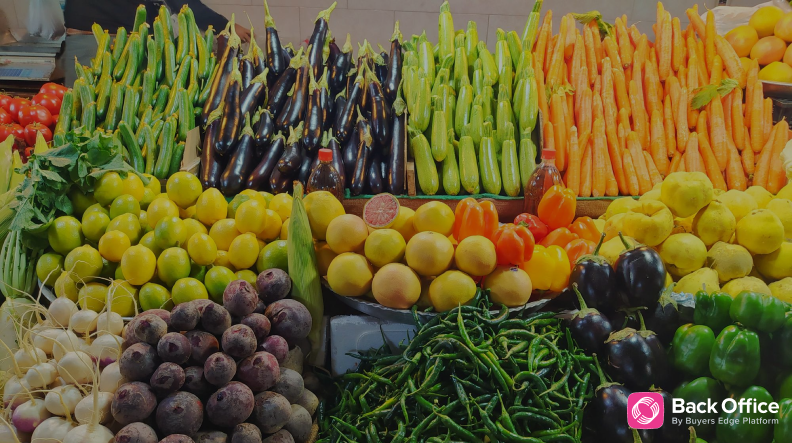
Produce markets were active again, with lettuce and tomato prices taking the spotlight. Iceberg lettuce climbed another 16% week-over-week, setting a new year-to-date high, while roma tomatoes surged almost 60%, recovering three weeks of prior losses. Avocados finally stabilized around $30 per carton after months of declines. Cooler weather and regional harvest changes are keeping supply tight and driving volatility.
Outlook: Lettuce and tomato prices are likely to stay elevated through late November as demand remains strong and supply transitions continue. Avocado markets should hold steady at current levels heading into the holidays.

Dairy
Cheese and butter prices softened slightly across most markets, with CME blocks at $1.73/lb and butter at $1.56/lb. Despite those small drops, both remain close to historical averages. Cream availability remains high, and production levels are steady even with occasional plant maintenance. Export demand continues to support cheese pricing, while domestic butter demand varies by region.
Outlook: Dairy markets are expected to remain balanced into November. Operators can anticipate relatively stable pricing with limited movement as strong exports and seasonal demand offset minor slowdowns in production.
Grains
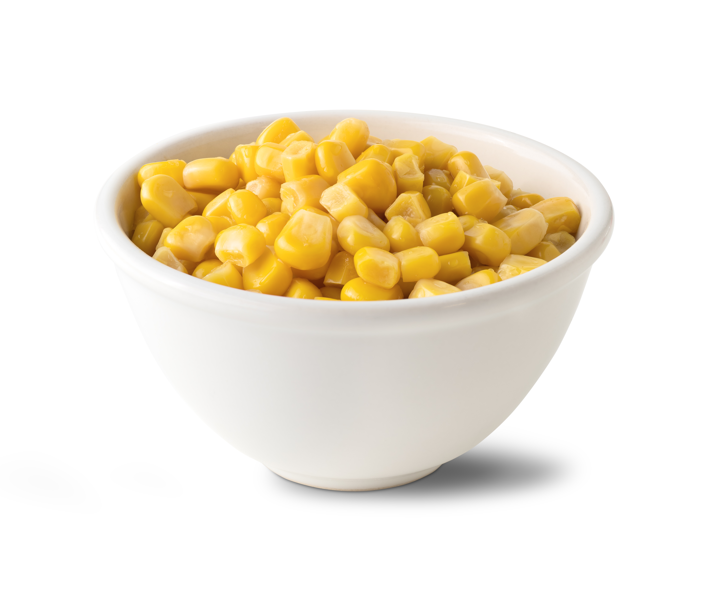
Corn, soybeans, and soybean meal all rallied last week, breaking through technical resistance after months of sideways movement. Corn’s move above its 100-day moving average sparked renewed optimism from traders and speculation about potential U.S.–China trade progress. The rally isn’t tied to major supply changes, but fund activity and global market sentiment have provided short-term support.
Outlook: Prices may remain firm in the near term, but volatility is likely. Operators should monitor grain trends closely, as shifts in global trade or weather reports could quickly influence feed and ingredient costs.