

It’s great to see a full dining room. Then Monday rolls around, the invoices come in and you know that busy weekend didn’t leave much behind. That’s why restaurant financial planning matters. It helps you to know what the business is really making, what it is costing you to operate, and if you have room to make your next move. You don’t have to have all the answers. You just have to be better with the numbers before they make decisions for you.
What Is Restaurant Financial Planning?
The essence of financial planning for restaurants is knowing where your money is going and what you can realistically do with what’s left. Let’s say you’re thinking of adding lunch. You want to see what the extra sales would be, how many people you’d need on the clock, do the numbers work before you change the schedule. That’s a strategy. This isn’t a spreadsheet that you create and then forget about.
Financial Planning vs. Budgeting vs. Forecasting
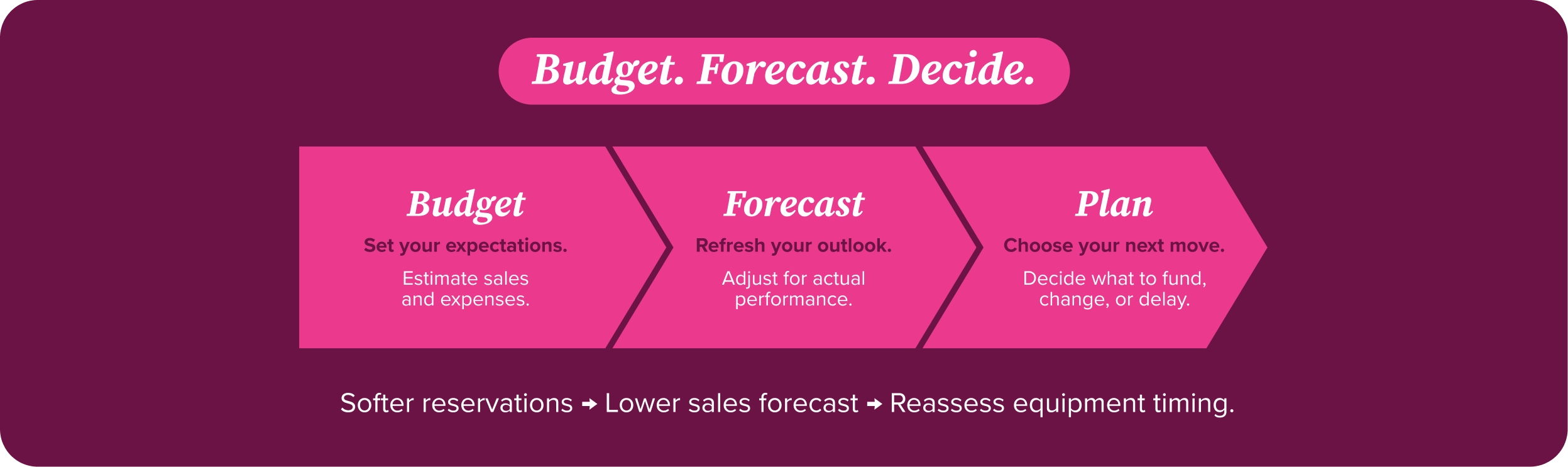
A budget is how much you expect to make and spend. A forecast is your revised guess after you see what’s happening in the restaurant. This is where the financial plan comes in, and you decide what to do about it. You had a good summer planned, but reservations are softer than anticipated. Do you hold off on buying the equipment? Change personnel? Those are decisions of planning.
Financial Planning vs. Financial Reporting
Your reports tell you what occurred. Your plan is for what comes next. The P&L is showing food costs going up, you still have to work out if it’s pricing, waste, portions, or something else. Reading the report is the beginning, not the end.
Why Financial Planning Matters for Growing Restaurant Groups
Once you’ve got more than one restaurant, it’s easy for one strong location to cover up a problem at another. Restaurant financial planning gives you a way to catch that before it gets expensive. It also makes the conversation about growth a lot more realistic.
Improve Profitability
Sales aren’t the same as profit. A location might be slammed all weekend and still lose ground because of overtime, comps, or food waste. Look at what’s left after the rush, not just how much rang through the register.
Manage Cash Flow
Payroll is coming whether Tuesday was busy or dead. Same goes for rent and vendor bills. Knowing which weeks are tight gives you time to deal with them instead of scrambling on payday.
Prepare for Growth
Thinking about another location? Great. But run through the opening costs and the months it could take to build steady sales. Your existing restaurants shouldn’t have to struggle to keep a new one afloat.
Reduce Financial Risk
A walk-in goes down. Your main supplier raises prices. Something always comes up. Keeping a little breathing room in the plan won’t prevent problems, but it can keep one bad week from turning into a bigger mess.
Make Better Investment Decisions
That new piece of equipment might be worth it. Or it might just be expensive. Look at how much time it saves, what it costs to maintain, and whether it really makes life easier for the team.
Core Components of a Restaurant Financial Plan
The point isn’t to build the prettiest spreadsheet. It’s to have a few numbers you can actually use when you’re deciding what to spend, what to hold back, and what needs attention.
Revenue Projections
Use actual sales to start. Check weekday versus weekend traffic, average tickets, and the months when business usually drops off. If one store is struggling, don’t give it the same growth estimate as your top performer.
Cost Structure (Food, Labor, Overhead)
Break out food, labor, and overhead. Food prices can change between orders. Labor can jump after one messy schedule. Rent tends to stay put. Knowing the difference helps you figure out what you can adjust quickly.
Cash Flow Management
Write down when the cash comes in and when it has to leave. A month can look profitable on your P&L and still get uncomfortable when payroll and a big vendor payment hit on the same Friday.
Profit and Loss Forecasting
Put together a projected P&L and check what’s supposed to be left after expenses. If you’re counting on better margins, spell out where they’re coming from. Lower waste? A price change? It needs to be something more than wishful thinking.
Break-Even Analysis
How much do you need to sell just to cover the bills? That’s the break-even point. It’s a number worth knowing before you add another shift, expand hours, or open another store.
Capital and Growth Planning
Put the big-ticket items on the calendar. Think equipment, remodels, new systems, and opening costs. Then decide how you’ll pay for them without draining the cash you need to run the restaurants.
Scenario and Contingency Planning
Try the numbers with slower sales or higher food costs. What would you put on hold first? It’s a much easier conversation to have now than when the bank balance is already getting low.
How to Build a Restaurant Financial Plan: Step-by-Step
Start with what you’ve got, even if the numbers aren’t perfect yet. Restaurant financial planning works best when you’re willing to look at what’s really happening, not just what you hoped would happen.
Step 1: Assess Current Financial Position
Pull the latest P&L, balance sheet, cash flow statement, and loan balances. Look store by store. If last month’s books still aren’t closed, deal with that before trying to forecast next quarter.
Step 2: Set Short-Term and Long-Term Goals
Keep the goals specific. ‘Improve profits’ doesn’t tell your managers much. ‘Cut overtime next month’ or ‘build a cash reserve before the remodel’ gives everybody something to work toward.
Step 3: Build Revenue and Expense Projections
Take recent sales, then make room for slow seasons, wage changes, menu price increases, and supplier quotes. If you’re guessing on an expense, mark it as a guess so you can revisit it.
Step 4: Create a Cash Flow Plan
Put paydays, rent, taxes, and supplier due dates on the same calendar as expected deposits. Watch for the weeks when everything seems to be due at once.
Step 5: Model Different Financial Scenarios
Work out what happens if sales are on target, better than expected, or short. If a small sales miss leaves you unable to cover payroll, you need a different plan before that happens.
Step 6: Track Actuals Against the Plan
At month-end, compare the plan with what actually happened. Labor over target? Ask whether traffic dropped, scheduling was off, or overtime got away from you. The reason matters more than the red number.
Step 7: Update the Plan Regularly
Change the forecast when the restaurant changes. New lease terms, a menu overhaul, or three soft weeks in a row can make the old numbers pretty useless.
Financial Planning Strategies for Multi-Location and Franchise Operators
With several locations, the challenge is getting numbers you can compare. If every manager tracks things differently, you spend more time arguing about reports than fixing problems.
Standardizing Financial Reporting Across Locations
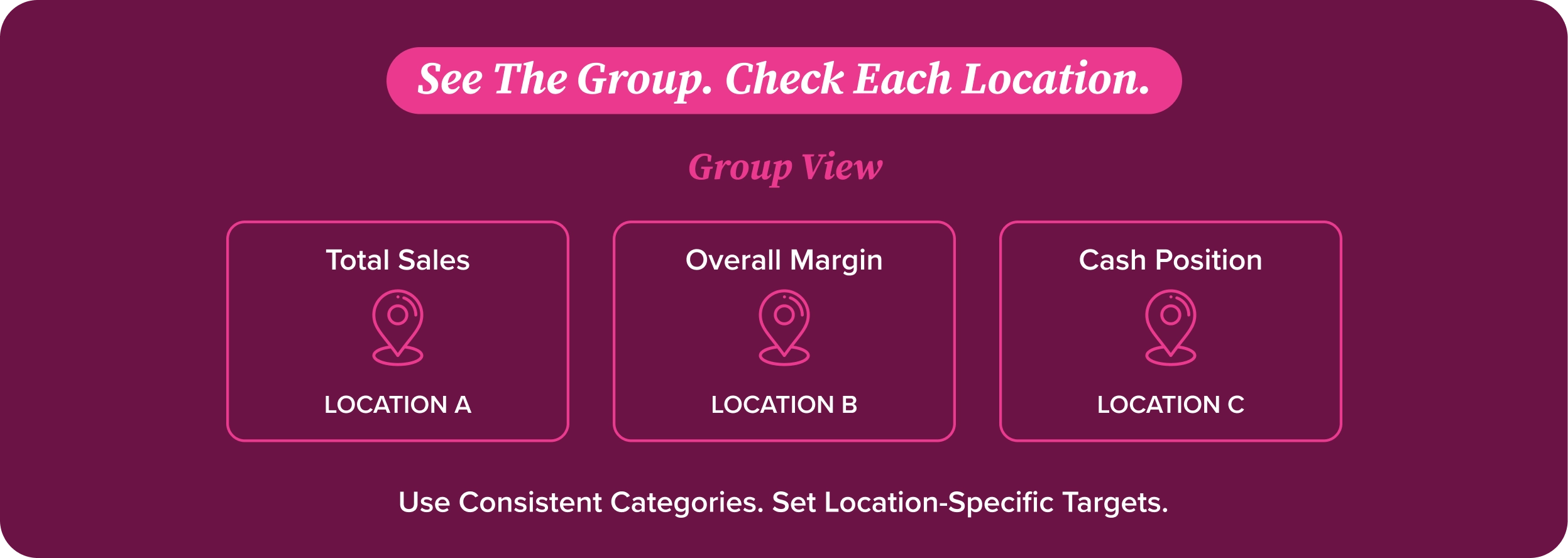
Make sure every store uses the same categories and closing schedule. Otherwise, one location’s ‘supplies’ might be another location’s ‘food cost,’ and your comparison is already off.
Benchmarking Performance Between Units
Compare food cost, labor, sales, and margins across units. Just don’t forget the context. A downtown restaurant paying higher rent won’t look exactly like a suburban one.
Consolidating Financial Data
You need the group-wide view and the store-by-store detail. One total can hide a location that’s eating up cash while another one carries the load.
Setting Location-Level Financial Targets
Set goals based on how each restaurant actually runs. A breakfast spot and a late-night location aren’t going to have the same labor patterns, even under the same ownership.
Planning New Location Investments
The buildout quote isn’t the full opening cost. Add deposits, hiring, training, opening inventory, and the cash you’ll need while sales are still getting established.
Key Financial Metrics to Include in a Restaurant Financial Plan
You don’t need fifty numbers on a dashboard. Start with the ones that tell you whether you’re making money and whether you’ve got enough cash to keep operating.
Revenue Growth
Look at sales compared with the same period last year, especially for stores that were open both years. A new opening can make total revenue look better while older locations are actually slipping.
Gross Profit Margin
Gross profit margin shows what’s left after cost of goods sold. When it shrinks, take a closer look at purchasing prices, portions, waste, and what you’re charging on the menu.
Prime Cost
Prime cost is food and beverage cost plus labor. Watch it closely. A little extra waste and a few unplanned shifts can eat into the week faster than you think.
Operating Expenses
Rent, repairs, insurance, utilities: none of them are glamorous, but they add up. If they’re growing faster than sales, you’ll feel it in the bottom line.
Net Profit Margin
Net profit margin tells you how much of each sales dollar stays with the business after expenses. Bigger sales aren’t much comfort if the extra revenue disappears into higher costs.
Cash Flow
Don’t just check the bank balance and call it good. Look at what’s due next week and next month. Cash that’s already spoken for isn’t money you can spend twice.
Break-Even Point
Know the sales number you need to cover costs. If you’re thinking about changing hours or adding staff, check how that changes your break-even point first.
Common Financial Planning Mistakes That Limit Growth
Usually it’s not one huge mistake. It’s a bunch of small assumptions that nobody revisits until cash gets tight or margins start sliding.
Relying Only on Historical Data
Last year’s sales give you a starting point, not a guarantee. Guests may be spending differently, wages may be higher, and your invoices definitely haven’t stood still.
Ignoring Seasonality
If summer carries your restaurant, don’t budget like February is July. Plan for the quiet stretches so you aren’t surprised when they show up again.
Underestimating Cash Requirements
A good month on paper doesn’t mean the money’s sitting there. Tax payments, equipment deposits, and extra inventory can eat up cash in a hurry. Leave room for them.
Failing to Model Different Scenarios
Don’t build the whole plan around your best-case sales number. Ask what you’d do if traffic dropped or a major cost jumped. Make that call before you’re under pressure.
Not Updating Financial Plans
The plan you made in January may not fit the business by June. When the numbers change, update the plan instead of pretending the old forecast still works.
Failing to Compare Actuals with Projections
If you never compare the forecast with real results, you’re just guessing again next month.
Find the gaps, ask what caused them, and adjust.
How BEP Back Office Helps with Restaurant Financial Planning
It’s tough to plan when you’re pulling numbers from three places and still aren’t sure which report is current. Back Office by Buyers Edge Platform helps restaurant operators with accounting and financial management support, so there’s less time spent chasing information and more time to look at what the numbers are telling you. Whether you run one location or several, having reliable financial records makes restaurant financial planning a lot more useful. Want to get a better handle on the financial side of your operation? Connect with Back Office to talk about your needs.
FAQ’s
What should be included in a restaurant financial plan?
Start with expected sales, food and labor costs, overhead, cash flow, and a projected P&L. Add debt payments, planned purchases, and a break-even estimate. If you’ve got multiple stores, look at each one separately too.
How is financial planning different from budgeting?
A budget says what you plan to earn and spend. Restaurant financial planning uses that budget, along with forecasts and actual results, to decide what the business can afford next.
How do you create a financial plan for a restaurant?
Get your financial statements together, pick a few realistic goals, and estimate sales and expenses. Then map out when cash comes in and when bills are due. Check the numbers every month and change the plan when you need to.
How often should restaurants update their financial plan?
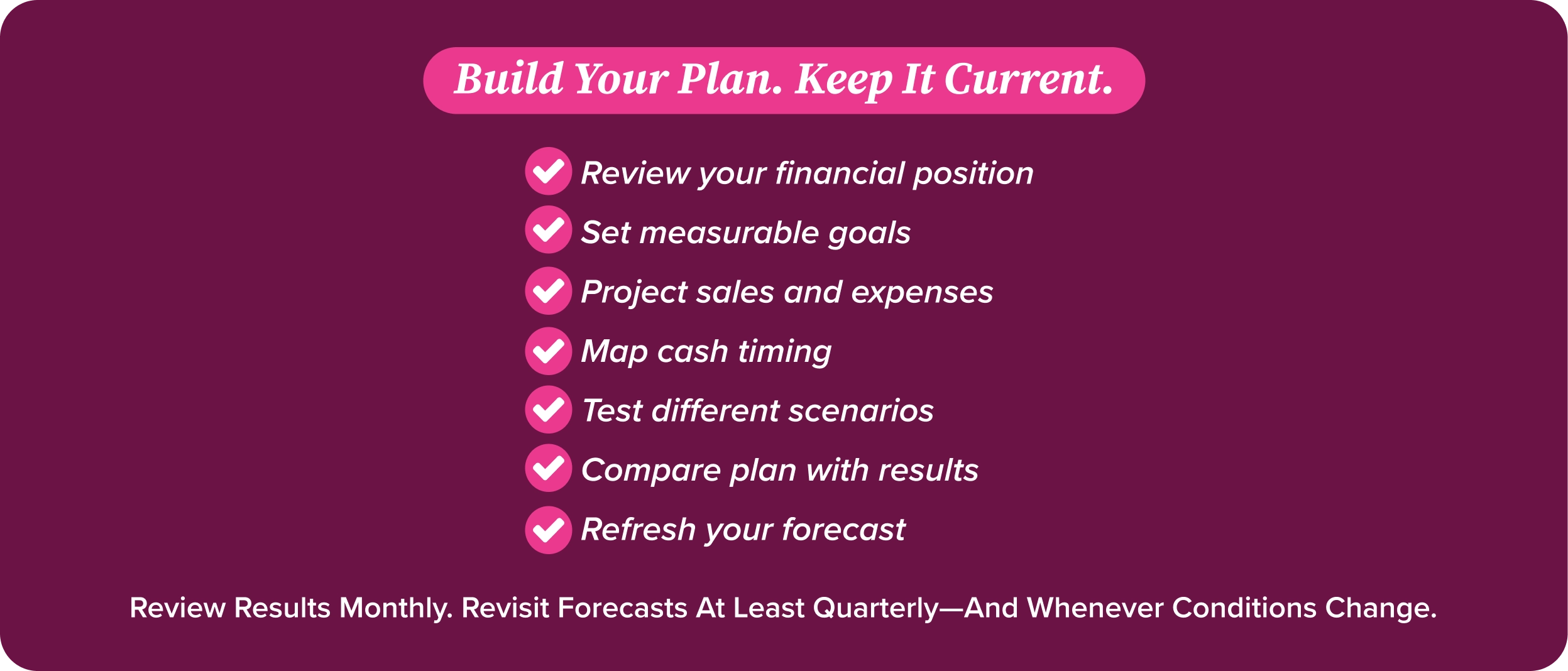
Review results every month and take a fresh look at the forecast at least quarterly. If supplier prices jump or you’re getting ready to open a location, don’t wait for the next scheduled review.
What financial reports do restaurant operators need most?
Start with the P&L, balance sheet, and cash flow statement. Add food cost and labor reports, plus budget-versus-actual results. If you manage several restaurants, you also need reports for each location.