




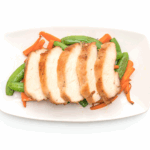
Poultry
Weekly young chicken slaughter rose 0.5% week-over-week, but total weekly production fell 0.3% year-over-year due to 0.8% lighter bird weights. Year-to-date (YTD) production remains up 2.5%, aligning with USDA Q3 growth projections. Overall markets were soft, with boneless skinless chicken breast historically averaging lower in December vs. August in 11 of the last 12 years (though wings held firm). Producer performance was mixed: Pilgrim’s Pride reported its worst quarterly earnings in over three years, while Tyson posted its strongest Q3 operating income share in over three years.
Outlook: Near-term supply concerns ease following strong Tyson results, though margin pressures at secondary producers and seasonal trends point to softer prices into late Q4.

Beef
Weekly beef production dropped 0.5% week-over-week and 2.7% year-over-year, bringing YTD output to -5.6% on an 8.1% decline in cattle slaughter. The USDA July Cattle on Feed report showed inventories up 2.2% year-over-year, but June feedlot placements fell 2.9%, the lowest June level in 17 years. The U.S. is phasing in Mexican cattle imports (which typically account for ~5% of fed slaughter), but processed beef from this supply will not reach markets until Q2 2027 at the earliest.
Outlook: Beef supplies will remain tight with high heifer retention delaying herd expansion, keeping overall upward pressure on prices despite potential modest summer output gains.

Pork
Pork production edged up 0.3% week-over-week but fell 0.9% compared to the same week last year. YTD output is up 0.5%, driven by heavier hog weights despite a 0.6% drop in slaughter, making the USDA’s summer growth forecast of 2.2% look overstated. The pork cutout dipped primarily due to a 12% fall in ham prices, though pork bellies (bacon) reached multi-month highs. Historically, the total cutout has strengthened in August in 6 of the last 8 years.
Outlook: Although the overall pork cutout typically sees an August bump, softer trends in hams, butts, and ribs are expected to drag individual pork markets lower heading into next month.

Produce
Core produce items were mostly flat or lower last week. 48-count Hass avocados flatlined after three weeks of gains, while 24-count iceberg lettuce dropped for its sixth consecutive week, falling below $10/carton for the first time since 2023. 25 lb. large Roma tomatoes also hit new YTD lows, and onion prices appear to have capped out after an extended rally.
Outlook: Major produce categories are projected to remain mostly flat or hover near seasonal lows over the next month, with any temporary avocado price bumps remaining limited.

Dairy
CME spot trade settled at 28 loads on Friday, with cheese and butter pricing tracking well below year-ago levels. Milk production is seasonally light but steady. Summer heat stress typically restricts August milk output, providing historical support for CME cheese blocks, which have averaged higher in August versus July in 9 of the last 11 years. Butter has also averaged higher in August for four consecutive years.
Outlook: Seasonal summer heat stress will restrict milk output, likely providing near-term price support for cheese and butter through the end of August.

Grains
Grain markets stabilized slightly, with December soybean oil (SBO) snapping a six-day losing streak at its 100-day moving average. However, crude oil dynamics remain the key driver for SBO. Soybean prices leveled out, but heavy rainfall expected across the eastern Corn Belt could erode price support. Additionally, U.S. soybean exports require accelerated Chinese purchasing to reach the White House’s 25 million metric ton (MMT) target for the new marketing year.
Outlook: Corn Belt rains and potential downward pressure from crude oil threaten grain prices unless Chinese export buying ramps up significantly.

Seafood
Fresh yellowfin tuna showed a >5% import price shift in May import data, continuing a move that follows year-ago levels following the sharpest downward correction in 38 years of USDA tracking history. Tilapia import volumes have run well above normal for two consecutive months following a 19% month-over-month price jump in March data, placing heavy downward pressure on recent pricing.
Outlook: Tilapia and yellowfin prices are expected to experience a moderate recovery through November as import volumes normalize, though prices will remain well below peak historical levels.