

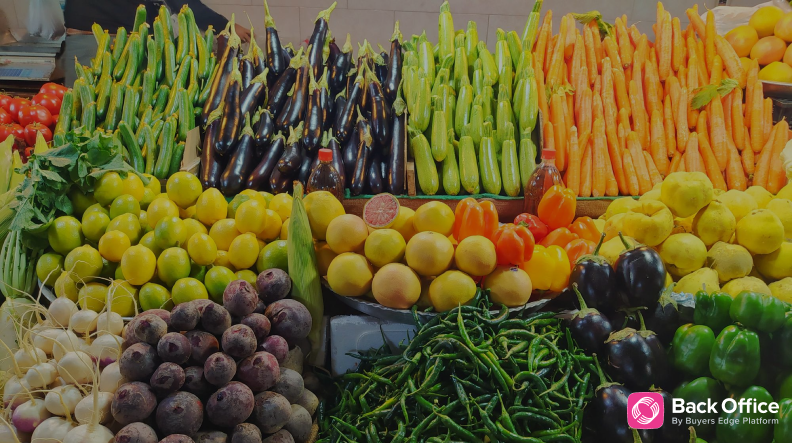



Poultry
Poultry supply remains generally ample, with year-to-date production up roughly 2.7%–2.9%, helping keep pressure off several categories. Wing prices are still sitting near 10-year lows for June, and tenderloin pricing dropped another 7% week over week. At the same time, breast and thigh inventories are tighter than broader production numbers would suggest, which is worth watching if demand improves.
Outlook: Poultry remains one of the more manageable protein categories today, but tightening availability on key cuts could create a different pricing story later this summer.
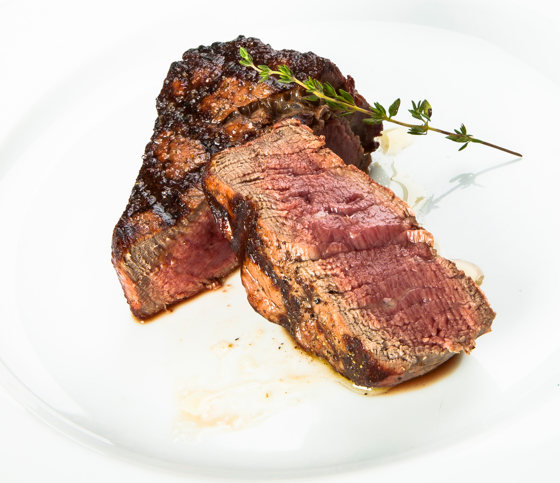
Beef
Beef continues to be one of the most challenged categories from a cost perspective, as production remains about 1.3%–2.8% below last year and herd expansion still has not materialized. The latest cattle placement data showed a decline of nearly 10%, reinforcing the expectation of tighter supply ahead. Even with some short-term stability, the market continues to operate against a historically constrained cattle cycle.
Outlook: Expect beef to remain elevated and strategically important, with operators likely needing to balance menu mix and cut selection carefully.
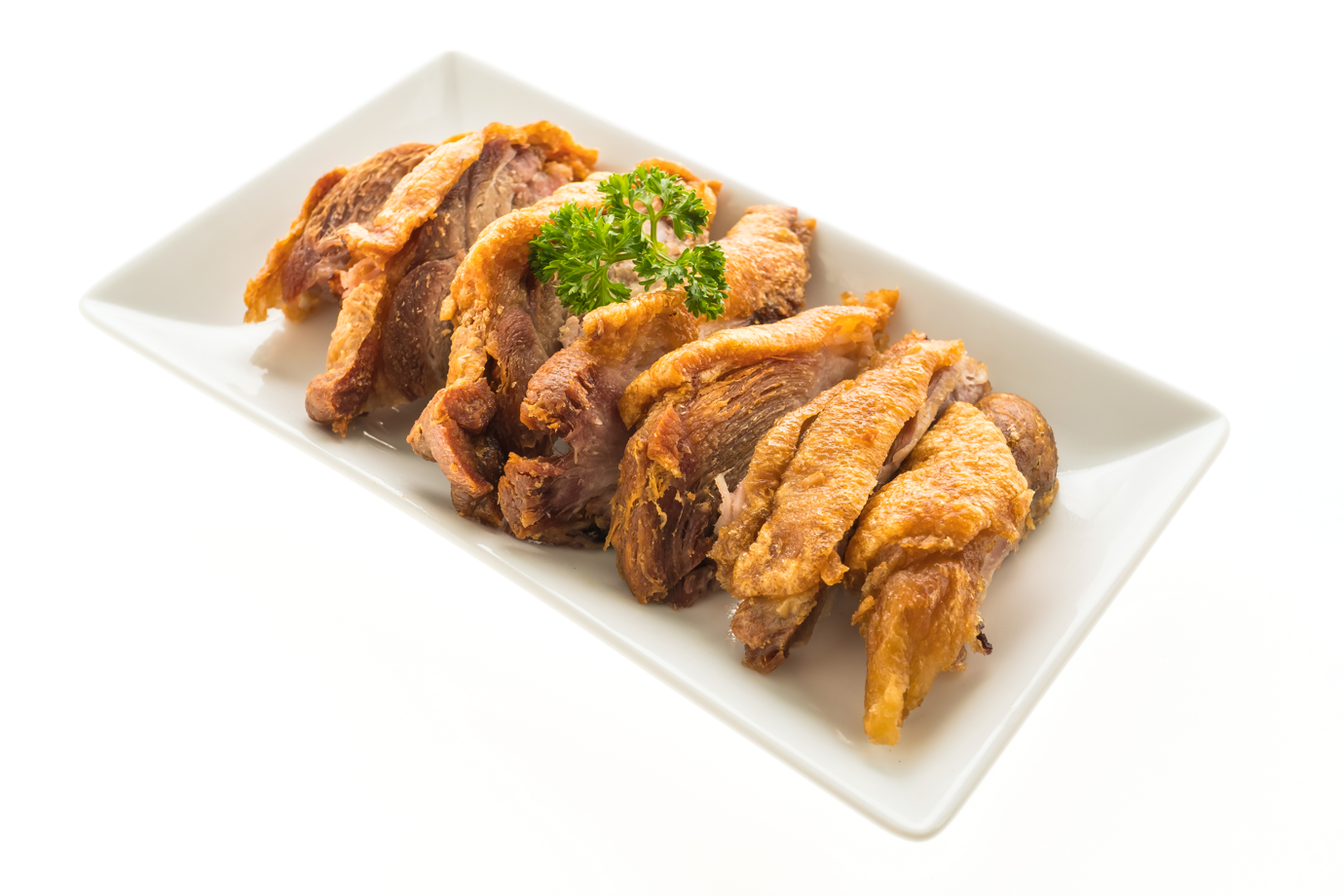
Pork
Pork is still presenting one of the better center-of-the-plate value stories in the market. Wholesale pork cutout values are running about 21% below year-ago levels, and bellies have been down as much as 32% versus last year. That said, the breeding herd is now at a 12-year low, which suggests current supply-side value may not last indefinitely.
Outlook: Pork remains an opportunity category for margin support right now, but the long-term supply picture suggests this favorable pricing window could narrow.

Produce
Produce markets are relatively quiet overall, but iceberg lettuce continues to be the standout exception. Prices for 24-count iceberg have increased for four consecutive weeks, including a recent 4.1% week-over-week gain. While the broader produce basket is more stable, this one item is resisting the seasonal reset buyers typically expect.
Outlook: Iceberg remains a watchlist item for brands with high-volume salad, sandwich, or burger builds, as elevated pricing may persist near term.
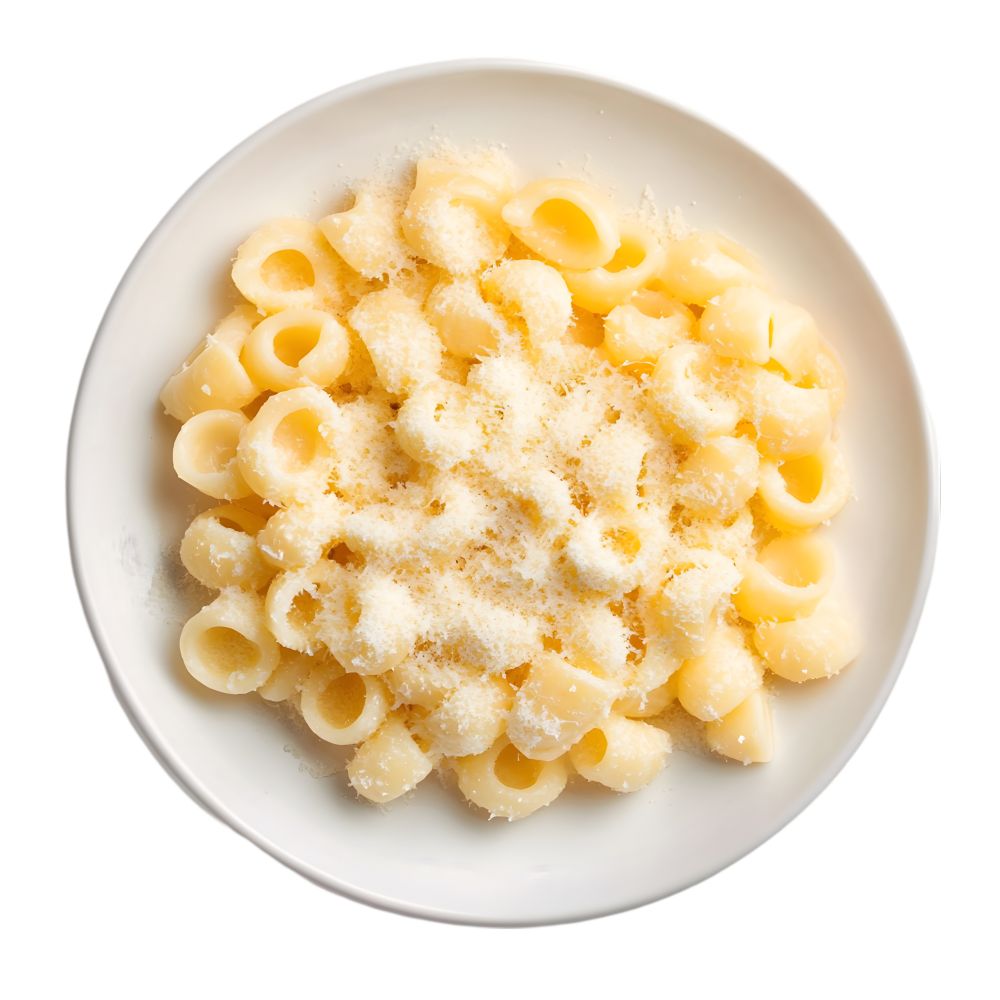
Dairy
Dairy markets weakened last week, creating some short-term relief in a few major categories. Cheese blocks and butter both touched 6-month lows, which may present a useful buying signal. However, butter inventories are still running about 7%–8% below last year, so the inventory side of the story remains tighter than price action alone might suggest.
Outlook: Near-term dairy pricing is more favorable, but tight butter stocks could limit downside and create volatility later in the year.
Grains
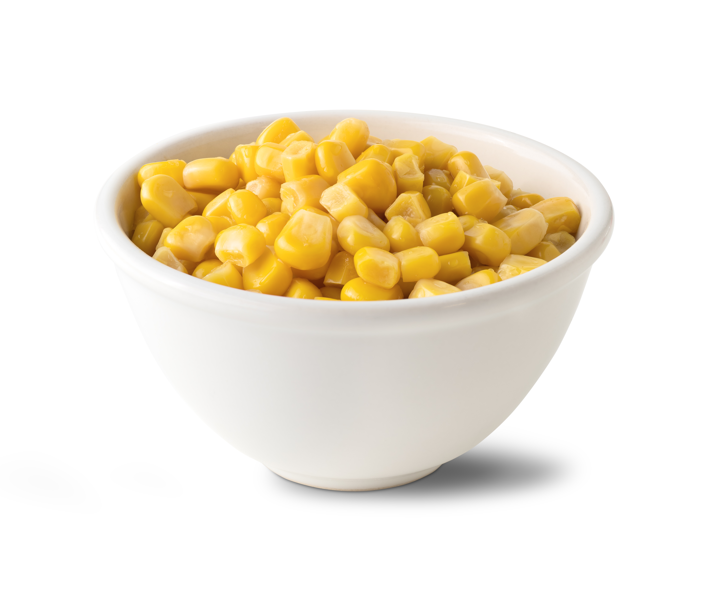
Grain markets have been relatively quiet, though that may change quickly with the release of the USDA’s June Acreage and Quarterly Grain Stocks reports. Current expectations put corn acreage in a range of about 91.5 to 95 million acres, with soybeans near 83.7 million acres. Those numbers matter because even modest revisions can move input costs tied to feed, frying oils, and broader food manufacturing.
Outlook: Volatility risk is elevated, and brands with exposure to grain-linked inputs should be prepared for a sharper market reaction once updated acreage data is absorbed.
Seafood
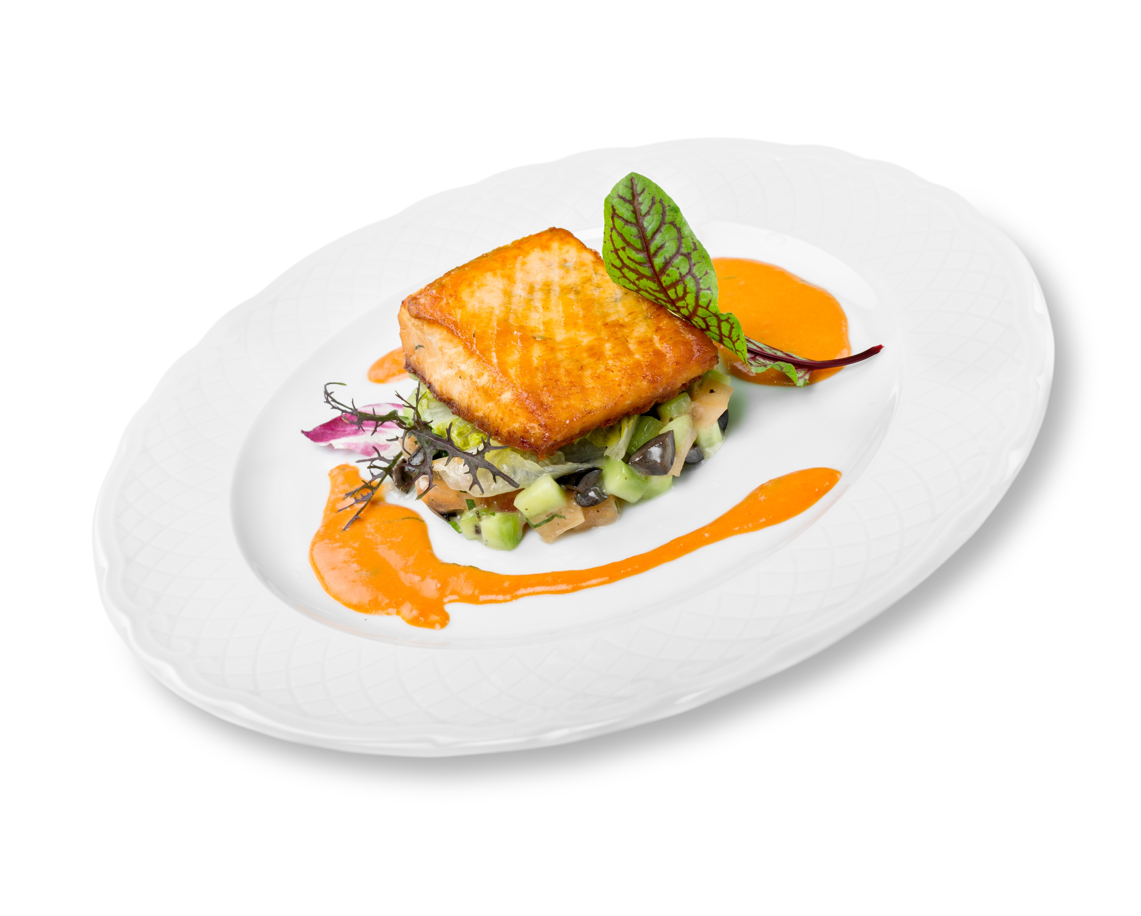
Seafood continues to be a mixed market depending on species. Frozen cod import pricing is now about 31% above last year, putting continued pressure on cod-heavy menu applications. By contrast, frozen tilapia has seen monthly swings of roughly 7% to 14%, but pricing still remains favorable relative to longer-term norms.
Outlook: Seafood costs remain highly species-dependent, and value may be easier to find in flexible whitefish programs than in cod-focused menus.