




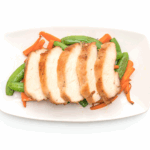






Poultry
Overall chicken production remains strong (+3.1% YoY for late July), but prices softened across most cuts last week. Leg quarters took the hardest hit (down over 6%), while bone-in thighs gained and table eggs hit post-March highs. Producer margins are under severe strain, with Pilgrim’s Pride reporting its lowest Q2 operating margins since Q1 2023, leading processors to slow production. Chick placement data (+1% YoY) shows the supply-slaughter gap is narrowing.
Outlook: Downside price risk across chicken markets is likely modest moving forward as producers actively slow production growth to defend squeezed margins.
Beef
Beef output fell 3% week-over-week and remains down 5.7% year-to-date, driven by an 8.2% drop in cattle slaughter. Despite tight supplies, USDA Choice and Select cutouts moved lower, with Choice reaching nearly an eight-month low. Domestic trim markets were mostly down (except beef 90s). While total herd size ticked up slightly due to dairy cows and feedlot timing, beef cow herds (-0.7%) and calf crops (-1.6%) remain depressed, though a 2.7% rise in replacement heifers suggests long-term herd rebuilding may be near.
Outlook: Tight beef supplies will persist for the foreseeable future, providing strong underlying support to cattle and beef prices despite short-term cutout pullbacks.
Pork
Pork output rose slightly week-over-week (+0.7%), driven by heavier hog weights rather than higher slaughter counts. The USDA cutout dropped 1.7% as hams plummeted over 9%, offsetting gains in picnics and belly markets (which hit four-month highs). While bellies typically rally in August, high June inventory data (+18.4% YoY) and the largest year-to-date supply build in over a decade suggest the current price climb is nearing its peak.
Outlook: Pork belly prices face limited further upside and are poised to follow their typical seasonal decline into September amid heavy accumulated inventory.
Produce
48-count Hass avocados were the primary gainer, jumping 12.6% week-over-week for their third straight week of increases, a standard August seasonal trend rather than a supply issue. Meanwhile, 24-count iceberg lettuce fell another 8.3%, extending a five-week losing streak, though price drops are slowing down as it nears a floor.
Outlook: Avocado prices will likely cap out around $60/carton before resuming a downtrend in September, while iceberg lettuce should stabilize near $10 before seasonal fall volatility hits.
Dairy
CME spot trading volume spiked, but prices ended lower across almost all categories except nonfat dry milk (+5¢/lb). Butter led the drops (down 42% YoY) and cheese blocks fell nearly 10¢/lb to mid-January lows. However, low cream availability is expected to protect butter from further deep drops, and strong cheese export demand remains a bright spot. Production capability remains historically high, backed by the largest June U.S. milk cow herd in over 30 years and a 2.8% increase in replacement heifers.
Outlook: Ample milk production and a growing dairy herd will keep broad market upside limited, though tight cream supplies should floor butter prices near current levels.
Grains
Grain markets pulled back in unison last week, erasing much of July’s early gains. The wheat complex showed the most resilience but still retreated, a surprising move given ongoing Black Sea shipping disruptions. With no resolution to shipping attacks as Russia and Ukraine enter their peak August export window, the market appears to be underpricing geopolitical risks.
Outlook: Wheat carries significant potential for a sharp upward breakout if Black Sea shipping disruptions persist through the peak August export season.
Seafood
Import data showed stable trends across most core seafood categories, with frozen tilapia fillets serving as the primary exception. Tilapia prices dropped 17.5% month-over-month to $1.59/lb. While a post-spring price drop is historically consistent, tilapia typically peaks in March/April, the sharp magnitude of May’s drop was larger than anticipated.
Outlook: Tilapia prices may experience slight counter-seasonal strength in the second half of the year following May’s steeper-than-expected price correction.